Curie Brief
Turn on cookies to sign in
Signing in saves your progress to your Curie account. We can only do that with cookies on — turn them on to continue.
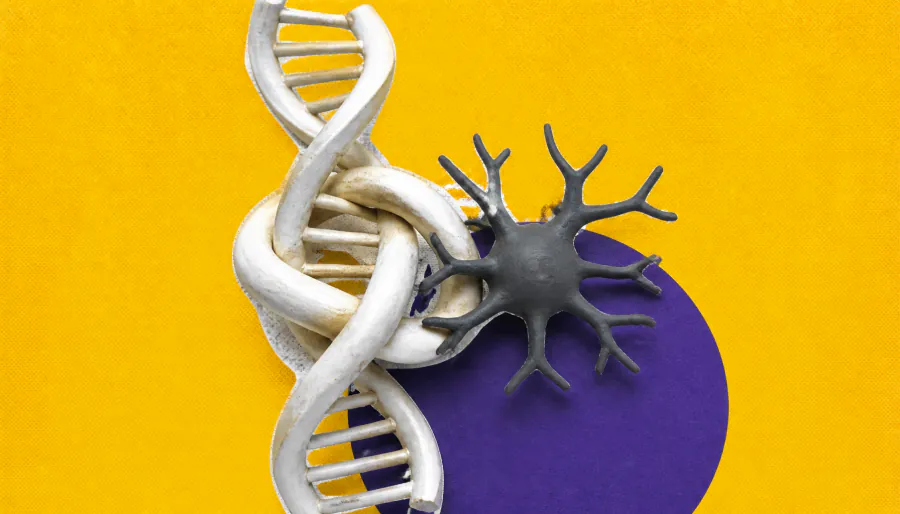
The secret to octopus intelligence might be hiding in the shape of their DNA. A new University of Vienna study found that an ancient reshuffling of the cephalopod genome brought distant DNA regions into contact, creating new gene-regulatory networks. This "regulatory entanglement" may explain how octopuses, squid, and cuttlefish evolved their remarkably complex nervous systems.
Octopuses can solve puzzles, change color in milliseconds, and navigate mazes — but what gave them such sophisticated brains? A new study published in Nature Communications by researchers at the University of Vienna suggests the answer may lie in the 3D architecture of their genome. Hundreds of millions of years ago, a massive burst of genome reorganization reshuffled cephalopod DNA, bringing previously distant regions of chromosomes into close physical proximity inside the cell.
When these DNA regions came into contact, they began influencing each other's activity — and over time, those interactions became deeply embedded, forming interconnected regulatory networks. The researchers call this process "regulatory entanglement": a mechanism that allows genomes to generate novel gene expression patterns while still preserving essential biological functions.
Key Takeaways:
Why it matters: Understanding how genome structure shapes the emergence of complex traits could reshape how scientists think about evolution more broadly — and may have implications for understanding how regulatory changes drive biological complexity in other species, including humans.