Curie Brief
Turn on cookies to sign in
Signing in saves your progress to your Curie account. We can only do that with cookies on — turn them on to continue.
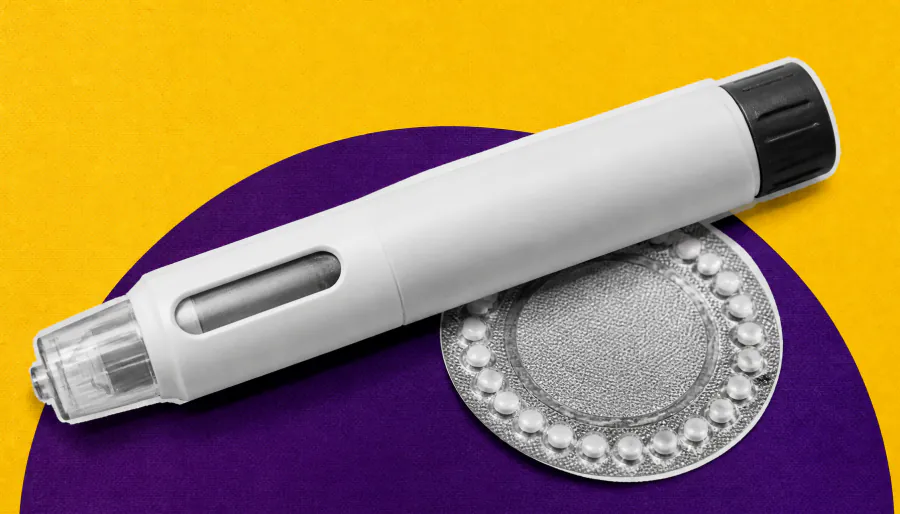
Women using hormonal contraception are significantly more likely to start semaglutide (Ozempic/Wegovy), according to real-world data from Denmark. A large nested case-control study found the link held across nearly all contraception types and patient subgroups. Researchers say the connection likely reflects shared health-seeking behaviors and weight concerns rather than a direct causal relationship.
Women who use hormonal contraception are more likely to initiate semaglutide (Ozempic/Wegovy), according to a large real-world study from Denmark published in JAMA Network Open and presented at the European Association for the Study of Diabetes annual meeting. The nested case-control study analyzed data from over 22,000 women who started semaglutide for the first time, matched against more than 229,000 controls.
Across nine different hormonal contraception regimens, all were associated with increased odds of starting semaglutide — even after adjusting for BMI. The association held across nearly all income levels, education levels, and age groups, suggesting it's a broad, consistent pattern rather than an isolated finding.
Researchers caution against reading this as a direct cause-and-effect relationship. Instead, they point to underlying factors like health-seeking behavior, perceived weight changes, and metabolic concerns as likely drivers.
Key Takeaways:
Why it matters: Clinicians prescribing hormonal contraception should consider a patient's full metabolic and weight history — the overlap between these two therapies signals an opportunity for more holistic, personalized care.