Curie Brief
Turn on cookies to sign in
Signing in saves your progress to your Curie account. We can only do that with cookies on — turn them on to continue.
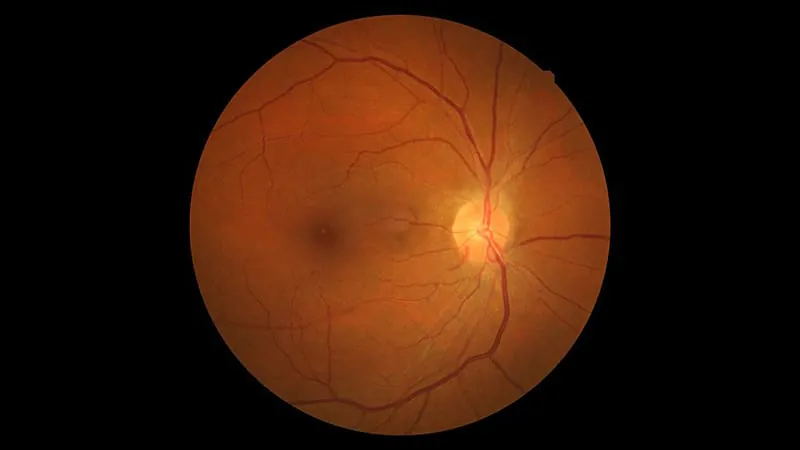
A large real-world study raises a red flag for a widely used eye treatment. Researchers analyzing over 40,000 patients found that anti-VEGF injections for diabetic macular edema (DME) were associated with a nearly threefold increased risk of developing ocular hypertension or glaucoma over 5 years. Experts say the findings are confirmatory — and a call for closer monitoring of eye pressure in patients receiving these therapies.
A major real-world study is sounding the alarm on a potential underrecognized side effect of one of ophthalmology's most widely used treatments. Analyzing data from over 40,000 patients in the TriNetX US Collaborative network, researchers found that anti-VEGF therapy for diabetic macular edema (DME) was associated with a nearly threefold increased risk of ocular hypertension or primary open-angle glaucoma over a 5-year period. The findings were presented at the EURETINA 2026 conference.
Experts note the association isn't entirely new, but the scale and real-world nature of the study make it particularly compelling. Limitations include the lack of data on injection frequency, no direct intraocular pressure measurements (relying instead on billing and diagnostic codes), and the possibility that patients receiving injections are seen more frequently — increasing the likelihood of a glaucoma diagnosis.
By the Numbers:
Why it matters: Anti-VEGF agents are a cornerstone of DME treatment, but this study suggests clinicians should proactively monitor intraocular pressure — at baseline and at least every 6 months — and consider earlier referral to glaucoma specialists when warranted.