Curie Brief
Turn on cookies to sign in
Signing in saves your progress to your Curie account. We can only do that with cookies on — turn them on to continue.
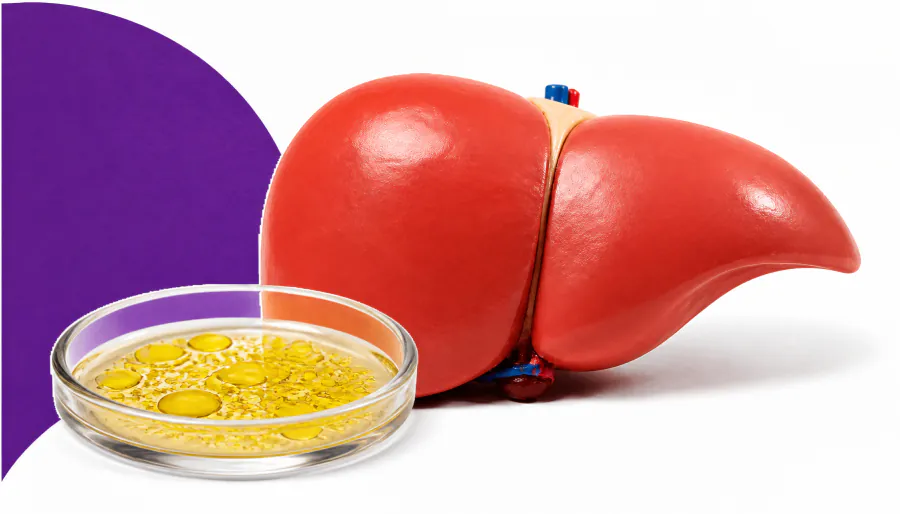
Polyethylene — the world's most common plastic — may be quietly damaging your liver. Texas A&M researchers found that exposure to polyethylene microplastics can promote fatty liver disease, with effects that worsen significantly when paired with a high-fat, Western-style diet. The finding is especially striking because polyethylene was long considered biologically inert and relatively harmless.
Microplastics are everywhere — in the ocean, in drinking water, and now, apparently, in our livers. Texas A&M researchers have found that polyethylene, the plastic used in food wrappers, storage containers, and beverage cup linings, may actively contribute to fatty liver disease. What makes this finding particularly notable is that polyethylene was previously considered one of the safer plastics, largely inert when it comes to biological interactions.
The study found that polyethylene exposure alone increased markers of fatty liver disease — but when combined with a diet high in fat, fructose, and cholesterol, the liver damage became significantly more severe. Using a cutting-edge technique called spatial transcriptomics, the team pinpointed exactly where in liver tissue the damage occurs and identified two key molecular players: PPAR-alpha, a protein involved in fat metabolism, and ANXA2, a gene linked to tissue repair.
By the Numbers:
Why it matters: Fatty liver disease is already a massive global health burden, and most prevention efforts focus on diet and lifestyle. This research suggests that environmental exposure to a near-ubiquitous plastic may be an overlooked risk factor — one that could compound the damage from an unhealthy diet. Future work will explore whether targeting the PPAR-alpha pathway could offer a therapeutic avenue.