Curie Brief
Turn on cookies to sign in
Signing in saves your progress to your Curie account. We can only do that with cookies on — turn them on to continue.
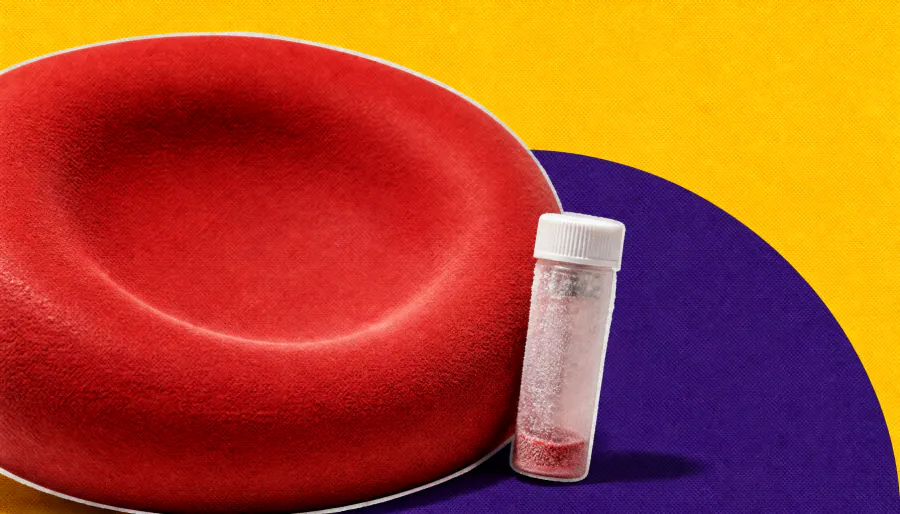
Tardigrades' survival proteins could revolutionize blood storage. Researchers combined a protein from these microscopic creatures with a common sugar to preserve red blood cells more effectively than the current glycerol method. In anemic mice, the technique boosted blood cell counts and hemoglobin levels without triggering inflammation.
Tardigrades — those nearly indestructible microscopic animals — may hold the key to better blood storage. Researchers publishing in ACS Applied Materials & Interfaces found that a protein from tardigrades, called CAHS, when paired with trehalose (a sugar commonly used to prevent freezer burn in food), can preserve red blood cells more effectively than the standard glycerol-based method used today.
The current glycerol approach has a major drawback: glycerol must be removed before transfusion, a process that damages cells. The new method sidesteps this issue — after thawing, the CAHS-trehalose combo washes away easily via centrifugation, leaving cells largely intact. When tested in anemic mice, transfusions using the cryopreserved blood significantly improved red blood cell counts and hemoglobin levels with no inflammatory response.
By the Numbers:
Why it matters: Rare blood types can be hard to store long-term, and better cryopreservation could make life-saving transfusions more accessible. This tardigrade-inspired technique is simpler, less damaging, and could eventually work at room temperature — a potential game-changer for blood banks worldwide.