Curie Brief
Turn on cookies to sign in
Signing in saves your progress to your Curie account. We can only do that with cookies on — turn them on to continue.
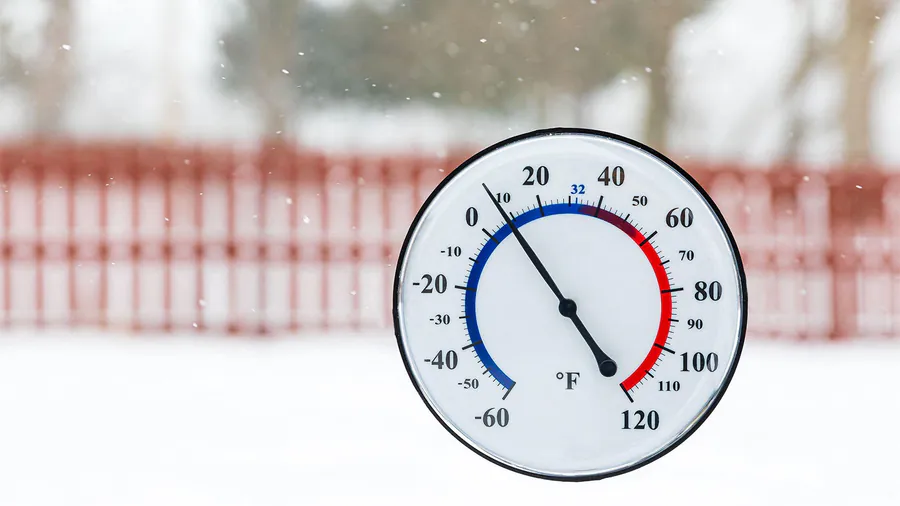
Warmer temps, lower viral gut bug risk. A new study found that higher recent temperatures were linked to a 50% lower chance that a child's gastroenteritis was caused by a virus. Researchers say incorporating weather data into clinical tools could help reduce unnecessary testing and antibiotic use in pediatric patients.
Think the weather only matters for your commute? Turns out it might also help doctors figure out what's making kids sick. A new secondary analysis published in Open Forum Infectious Diseases found that higher recent outdoor temperatures were significantly associated with a lower likelihood of viral gastroenteritis in children and adolescents presenting to the emergency department.
The study analyzed over 800 pediatric patients with acute gastroenteritis. The temperature effect was even more pronounced in older kids — those 12 and up were 83% less likely to have a viral cause when temperatures rose. Notably, precipitation, humidity, and air pollution levels showed no significant effect on viral gastroenteritis risk. Population-level surveillance data from Utah's GermWatch system backed up the findings.
Researchers suggest that weather-informed clinical prediction tools could help prioritize diagnostic testing and curb unnecessary antibiotic prescriptions — a meaningful win for antimicrobial stewardship.
Key Takeaways
Why it matters: Viral gastroenteritis is a leading cause of pediatric illness, and over-testing drives up costs and inappropriate antibiotic use. Weather-informed models could sharpen clinical decision-making — especially as climate change makes traditional seasonal patterns less reliable.