Curie Brief
Turn on cookies to sign in
Signing in saves your progress to your Curie account. We can only do that with cookies on — turn them on to continue.

A 28-year-old lab worker at a Siberian plague research institute died of pneumonia of unknown origin, triggering quarantines and international alarm. Russia's health watchdog has denied reports of a second case, saying no dangerous pathogens were detected among contacts. The WHO is still pressing Moscow for full transparency on the cause of death.
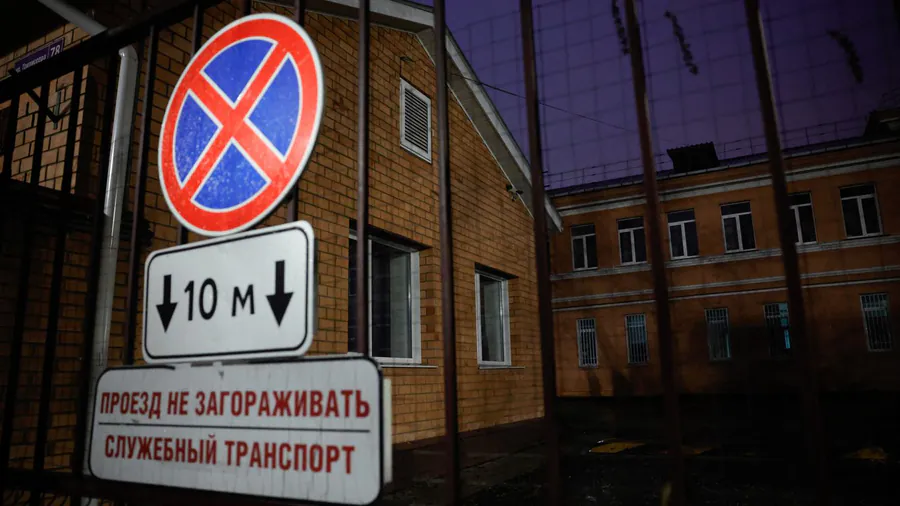
A 28-year-old laboratory worker named Darya Shipilova, employed at the Irkutsk Anti-Plague Research Institute of Siberia and the Far East, died on October 2 from pneumonia of undetermined origin. The incident prompted Russian authorities to quarantine roughly 200 people, dispatch the head of the national health watchdog to the region, and sparked widespread concern on social media — with some speculating about a lab accident or plague exposure.
Russia's health regulator, Rospotrebnadzor, has since stated that no plague or other dangerous pathogens were detected among any of Shipilova's contacts, and that reports of a second person falling ill are false. About 60% of those initially quarantined have been released. The Kremlin insists it properly notified the WHO and has accused media outlets of spreading misinformation about the case.
Despite Russia's assurances, WHO Director-General Tedros Adhanom Ghebreyesus has publicly called for more information, citing conflicting reports and the need for full transparency under International Health Regulations. The US has also urged Moscow to be more forthcoming.
Key Takeaways:
Why it matters: Post-COVID, any unexplained death at a pathogen research facility draws intense global scrutiny. The lack of full transparency from Russia is fueling uncertainty and underscoring the critical importance of timely, open information-sharing under international health frameworks.