Curie Brief
Turn on cookies to sign in
Signing in saves your progress to your Curie account. We can only do that with cookies on — turn them on to continue.
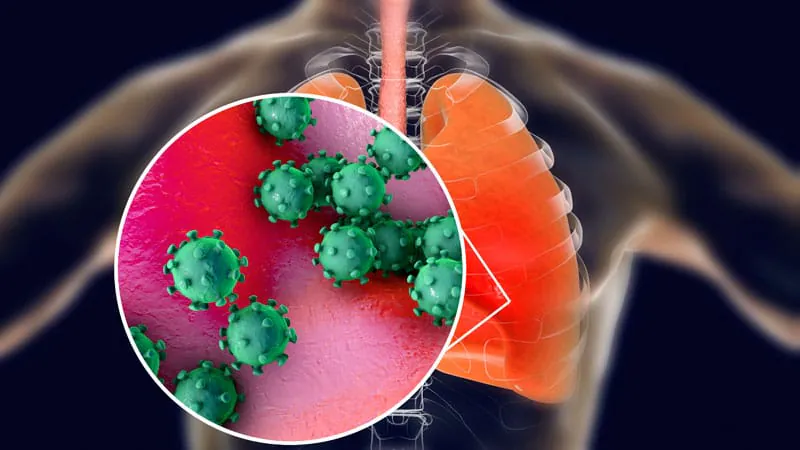
Nearly half of CAR T-cell therapy patients develop respiratory viral infections — and most hit after day 100. A large retrospective study of 563 patients found SARS-CoV-2 and rhinovirus were the top culprits, with low lymphocyte counts flagging those at greatest risk for severe disease. Ten infection-related deaths were recorded, nine linked to COVID-19.
CAR T-cell therapy has transformed outcomes for blood cancers, but a new study reveals a significant long-term vulnerability: nearly half of recipients develop laboratory-confirmed respiratory viral infections (RVIs), with most occurring well beyond the initial 100-day post-infusion window. The retrospective study from Memorial Sloan Kettering Cancer Center followed 563 patients treated for lymphoma or multiple myeloma.
SARS-CoV-2 (41%) and rhinovirus (27%) were the most commonly detected pathogens. Lower respiratory tract infections accounted for 18% of episodes, and 10 patients died from infection-related causes — nine from COVID-19 and one from influenza A. Patients with mantle cell lymphoma faced more than double the risk of severe RVIs compared to those with large B-cell lymphoma.
Key Takeaways:
Why it matters: These findings highlight that immune vulnerability after CAR T-cell therapy extends far beyond the early recovery phase. Monitoring lymphocyte and B-cell counts could help clinicians identify high-risk patients who may benefit from closer surveillance or preventive strategies.