


Curie Brief
Turn on cookies to sign in
Signing in saves your progress to your Curie account. We can only do that with cookies on — turn them on to continue.
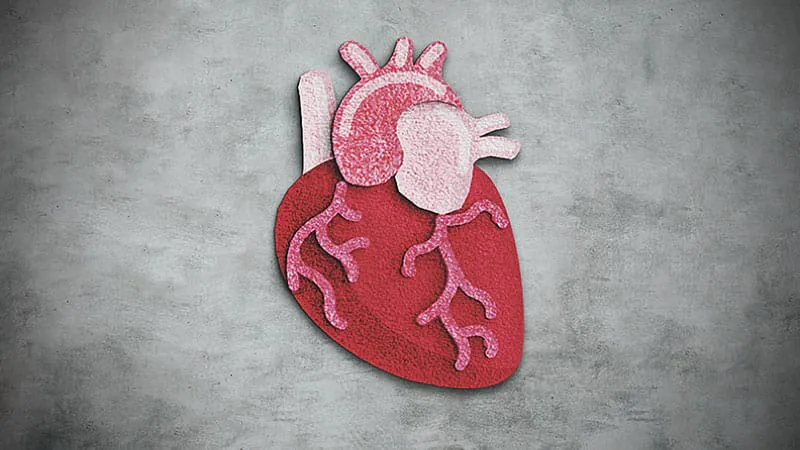
The heart is one of the least cancer-prone organs in the body — and new research suggests the heartbeat itself may be why. A study in Science found that the mechanical force of cardiac contractions suppresses tumor cell growth, potentially solving a long-standing biological mystery. The key player? A protein called Nesprin-2 that transmits mechanical signals from the cell's skeleton to its nucleus.
The heart is one of the last places cancer likes to set up shop — and scientists may finally know why. A new study published in Science found that the constant mechanical load generated by cardiac contractions actively suppresses tumor cell proliferation. In mouse models and engineered cardiac tissue, cancer cells struggled to grow in a beating heart but thrived when that mechanical force was removed.
The mechanism centers on a protein called Nesprin-2, part of a complex that bridges the cell's cytoskeleton and nucleus. Mechanical load alters chromatin accessibility — essentially changing which genes are "readable" — activating pathways that put the brakes on cell division. When Nesprin-2 is disabled, cancer cells can proliferate again even under mechanical stress.
Key Takeaways:
Why it matters: Understanding how mechanical force suppresses cancer could open entirely new therapeutic avenues — not just for heart tumors, but potentially for other solid cancers too.