Curie Brief
Turn on cookies to sign in
Signing in saves your progress to your Curie account. We can only do that with cookies on — turn them on to continue.
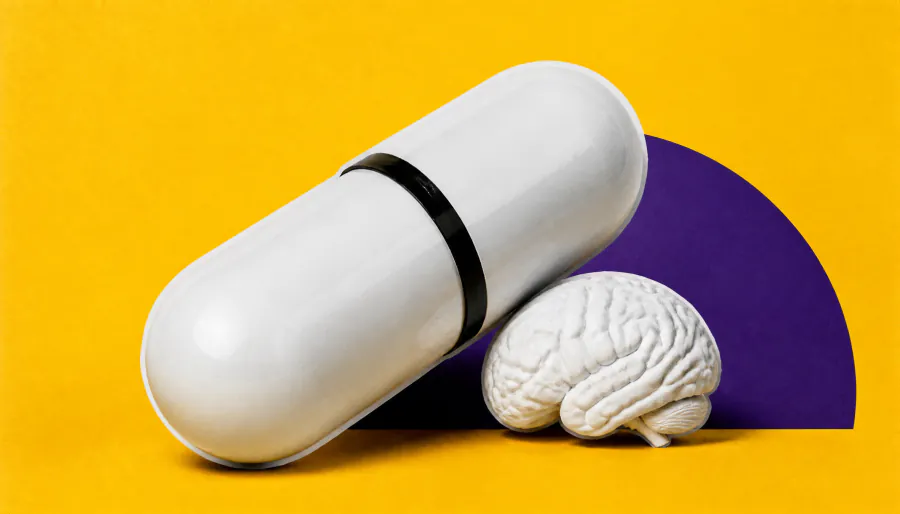
Scientists at the University of Birmingham have identified the P2X7 receptor as a key driver of brain inflammation — and blocking it dramatically reduced neuroinflammation in human brain tissue. The discovery opens the door to repurposing existing drugs for conditions like Alzheimer's, Parkinson's, traumatic brain injury, depression, and schizophrenia. Clinical trials could be on the horizon.
Researchers at the University of Birmingham may have found a way to turn down the brain's inflammatory response — a breakthrough that could benefit millions living with neurological and psychiatric conditions. Published in Brain, the study identifies the P2X7 receptor as a critical trigger of neuroinflammation. When scientists blocked this receptor using a specific antagonist, inflammation in live human brain tissue dropped significantly.
A key innovation in the research was the team's method of converting human white blood cells into microglia-like cells — the brain's resident immune cells. This gave researchers a scalable way to study how human microglia respond to inflammatory signals without the limitations of traditional lab models. The P2X7 blocker successfully interfered with damaging cytokine signals released by these cells, and the results were then validated in actual human brain tissue obtained during neurosurgery.
Key Takeaways:
Why it matters: There are currently no effective pharmacological treatments to reduce neuroinflammation in conditions like TBI or Alzheimer's. This research lays the groundwork for clinical trials and could fast-track therapies by leveraging drugs already in development.