Curie Brief
Turn on cookies to sign in
Signing in saves your progress to your Curie account. We can only do that with cookies on — turn them on to continue.
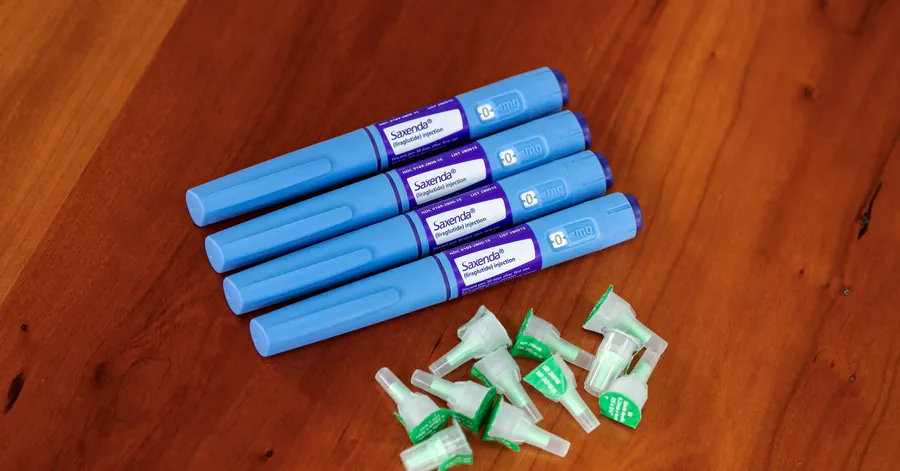
The World Health Organization has released its first-ever global guidelines on childhood obesity, recommending lifestyle changes over GLP-1 drugs like Wegovy. Medications may only be considered for adolescents aged 10–19 after supervised interventions fail. For children under 10, weight-loss drugs and surgery are off the table entirely.
The World Health Organization has issued its first global guidelines on childhood obesity, and the message is clear: lifestyle changes come first. WHO is recommending diet, physical activity, and behavioral counseling as the foundation of obesity care for children and adolescents — not GLP-1 drugs or surgery.
For kids under 10, weight-loss medications, surgery, and devices are explicitly not recommended due to insufficient evidence on their safety and long-term effectiveness. For adolescents aged 10–19, drugs like Novo Nordisk's Wegovy or Saxenda may only be considered after supervised lifestyle interventions have failed. Bariatric surgery remains a last resort for physically and mentally mature teens with severe obesity after six months of unsuccessful treatment.
WHO also stressed that access to healthy food and physical activity must be affordable and equitable — because clinical treatment alone won't reverse the global trend.
By the Numbers:
Why it matters: With childhood obesity now more common than undernutrition globally, these guidelines set a critical international standard — and urge caution against extending GLP-1 drug use to younger patients until stronger evidence is available.