Curie Brief
Turn on cookies to sign in
Signing in saves your progress to your Curie account. We can only do that with cookies on — turn them on to continue.
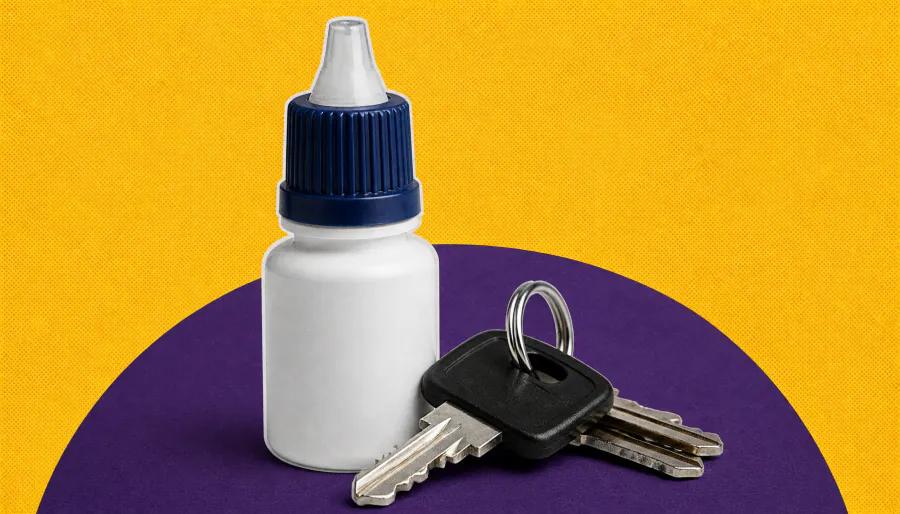
When it comes to sticking with glaucoma medication, personal habits beat healthcare hurdles. A new study found that patient-level factors — like forgetting doses or building a daily routine — were the most common barriers and facilitators to compliance, cited by 70% of participants. Neighborhood deprivation also played a role, with patients in more disadvantaged areas facing more obstacles.
When it comes to glaucoma medication adherence, the biggest obstacles aren't insurance gaps or pharmacy access — they're personal habits and daily routines. A new study published in the Journal of Glaucoma analyzed interviews with 44 glaucoma patients enrolled in the Support, Educate, Empower Personalized Glaucoma Coaching Program, pairing qualitative data with three months of electronic medication monitoring. The takeaway? Patient-level factors dominated both the barriers and facilitators to compliance, far outpacing healthcare system-related challenges.
The most common barriers were forgetting to take medication and struggling to stick to a schedule. On the flip side, simple tricks — like keeping eye drops next to car keys or anchoring the habit to an existing daily routine — were the top facilitators. Neighborhood deprivation also mattered: patients in more disadvantaged areas reported more barriers, while those in less deprived areas reported more facilitators.
By the Numbers:
Why it matters: Glaucoma requires lifelong medication to prevent blindness, yet nearly half of patients don't stick to their regimen. These findings suggest that personalized, behavior-focused interventions — rather than system-level fixes alone — may be the key to closing the adherence gap.