Curie Brief
Turn on cookies to sign in
Signing in saves your progress to your Curie account. We can only do that with cookies on — turn them on to continue.
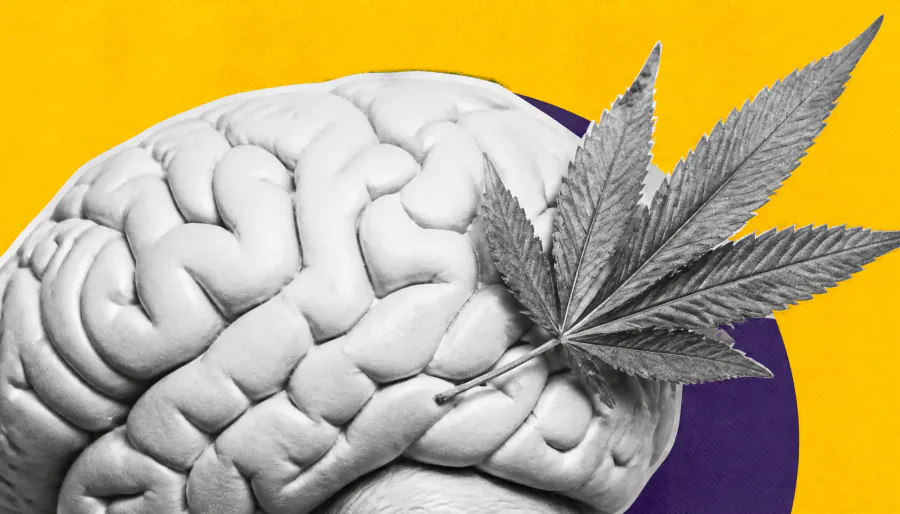
Ever wonder why a cannabis high can suddenly spiral into panic? Northwestern University researchers have identified a specific group of neurons in the brain's fear center that may be responsible. When cannabinoids like THC lift a natural "brake" on these cells — especially under stress — anxiety can spike fast, and silencing those neurons in mice dramatically reduced the anxious response.
Ever wonder why a cannabis high can suddenly turn into a panic attack? Northwestern University scientists say they've found the brain cells responsible. Published in Nature Communications, the study identified a small cluster of neurons called somatostatin neurons in the central amygdala — the brain's fear-processing hub — as key drivers of cannabis-induced anxiety.
Using mice exposed to a stress-inducing predator odor, researchers found that synthetic cannabinoids caused these neurons to become overactive by removing a natural "brake" that normally keeps them in check. The effect was amplified when stress and higher doses were combined. When scientists genetically silenced those neurons, the anxious behavior dropped significantly.
Key Takeaways:
Why it matters: Cannabis use in the U.S. is rising, and so are ER visits tied to adverse effects. Understanding exactly how THC hijacks the brain's fear circuitry could open the door to new treatments for anxiety disorders — whether cannabis-related or not.