Curie Brief
Turn on cookies to sign in
Signing in saves your progress to your Curie account. We can only do that with cookies on — turn them on to continue.
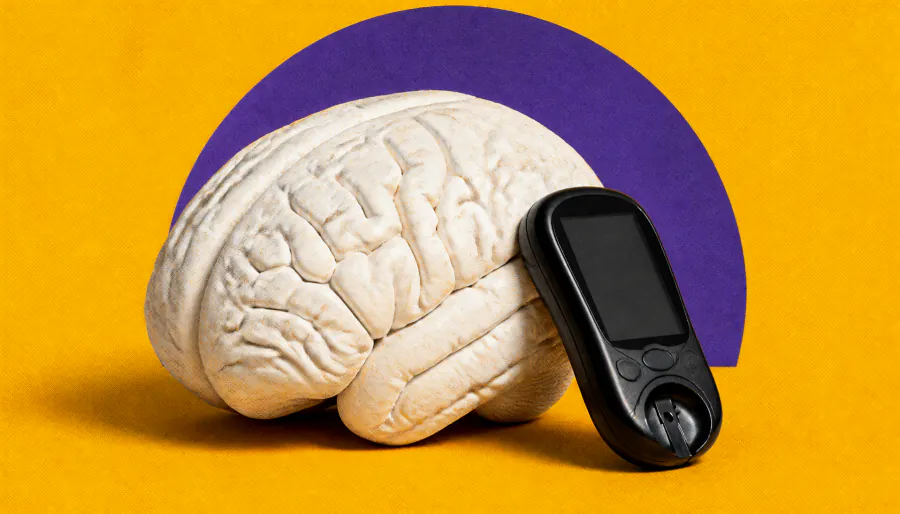
Young people diagnosed with type 2 diabetes are significantly more likely to also be neurodiverse, a new study finds. Researchers analyzed 3.4 million matched pairs and found autism and ADHD rates were notably higher in early-onset T2D patients. The findings call for more tailored, neurodiversity-aware care for younger diabetes patients.
A large new study presented at the European Association for the Study of Diabetes (EASD) annual meeting reveals a striking connection between early-onset type 2 diabetes (T2D) and neurodiversity. Researchers from the Diabetes Research Center in Leicester, England, analyzed data from the TriNetX U.S. collaborative network, comparing 3.4 million matched pairs of individuals with and without T2D across age groups.
The data showed that neurodivergent conditions — including autism, ADHD, and dyslexia — were far more prevalent among younger people with T2D, with rates declining sharply after age 40. The association was strongest in the youngest age groups, suggesting a meaningful overlap that clinicians managing early-onset T2D should be aware of.
By the Numbers:
Why it matters: As early-onset T2D becomes more common, understanding its overlap with neurodiversity is critical for designing effective, inclusive care plans. Clinicians managing young patients with T2D should screen for and accommodate neurodiverse needs to improve health outcomes.