Curie Brief
Turn on cookies to sign in
Signing in saves your progress to your Curie account. We can only do that with cookies on — turn them on to continue.
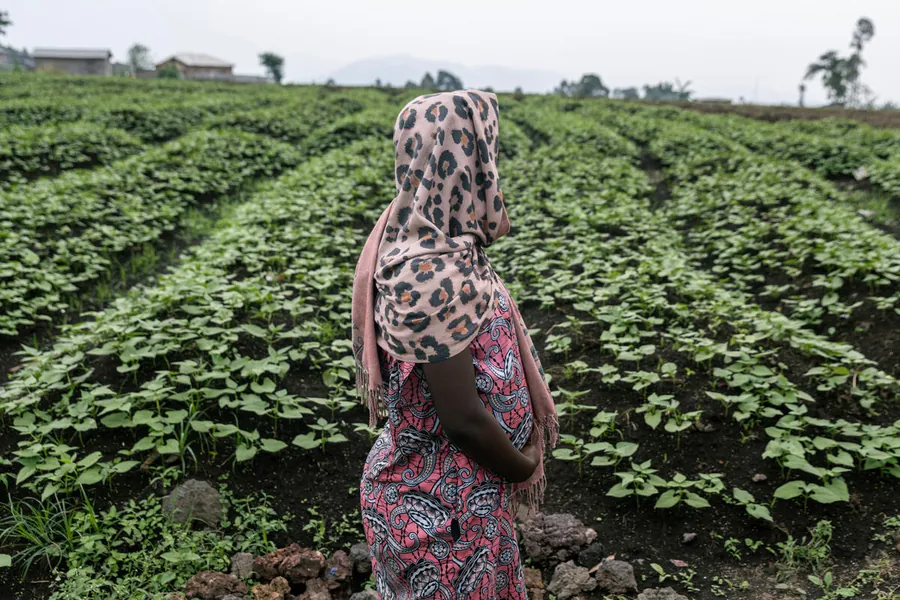
A new WHO technical brief reveals that nearly 30% of adolescent girls aged 15–19 — roughly 43 million worldwide — have experienced intimate partner or non-partner sexual violence. The findings highlight deep links between gender inequality, child marriage, and violence, and underscore that no country is currently on track to eliminate violence against women and girls by 2030. Urgent, multi-sector action is needed.
A new technical brief from WHO, HRP, and UN partners paints a stark picture: nearly 30% of adolescent girls aged 15–19 — approximately 43 million — have experienced intimate partner violence (IPV), non-partner sexual violence, or both at least once in their lives. And these numbers are likely an undercount, since many girls never disclose or report their experiences.
The consequences are far-reaching. Violence at this formative stage is linked to injuries, unintended pregnancy, sexually transmitted infections, and mental health conditions like anxiety and depression — while also disrupting education and long-term economic opportunities. Structural factors like child marriage, low educational attainment, and discriminatory laws are strongly associated with higher rates of IPV.
Why it matters: Health systems are on the front lines — they must ensure adolescent-responsive, survivor-centered care, including sexual, reproductive, and mental health services. The brief calls for coordinated action across education, legal, and health sectors to prevent violence before it starts and better support survivors.