Curie Brief
Turn on cookies to sign in
Signing in saves your progress to your Curie account. We can only do that with cookies on — turn them on to continue.
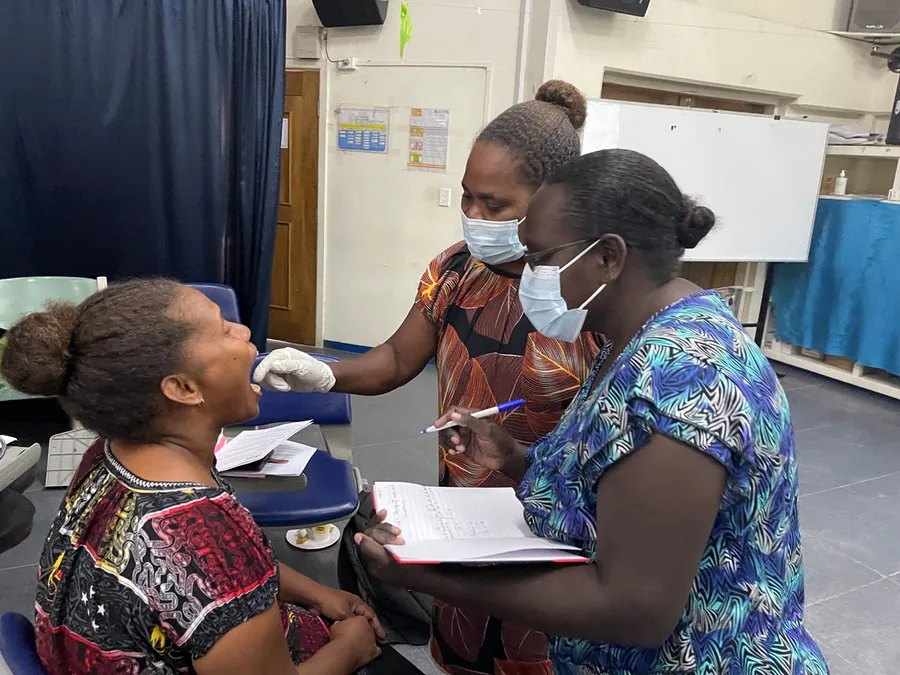
The WHO has released an updated oral health module for its STEPS surveillance framework, making it easier for countries to track oral diseases alongside other noncommunicable diseases (NCDs). The streamlined tool can be used by trained non-specialist staff, lowering barriers to data collection. It aligns with the WHO Global Oral Health Action Plan 2023–2030 and aims to drive better policy decisions worldwide.
The WHO has rolled out a revised oral health module for its STEPwise approach to NCD risk factor surveillance (STEPS), published in the Bulletin of the World Health Organization. The update addresses a longstanding gap in reliable, policy-relevant oral health data by making it easier for countries to integrate oral disease tracking into their existing national surveillance systems.
A standout feature of the new module is its accessibility — data collection can now be carried out by trained survey staff who aren't oral health specialists, combining a streamlined questionnaire with a simplified clinical assessment. This lowers the bar for countries with limited dental workforce capacity to still generate meaningful population-level data.
Key Takeaways:
Why it matters: Oral diseases affect billions globally yet are chronically underrepresented in NCD surveillance. This updated tool gives health systems a practical, scalable way to generate the data needed to build stronger oral health policies and programs — especially in low- and middle-income countries.