Curie Brief
Turn on cookies to sign in
Signing in saves your progress to your Curie account. We can only do that with cookies on — turn them on to continue.
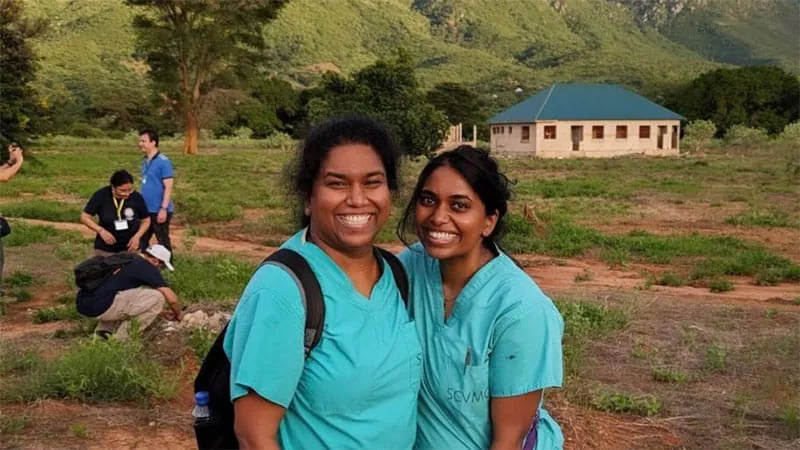
Good intentions aren't enough. An ob/gyn who volunteered across Uganda, Kenya, and Tanzania found that short-term medical mission trips often do more for the volunteers' sense of purpose than for the communities they serve. From faulty cervical cancer screenings to procedures with no follow-up plan, she argues it's time to shift from fly-in care to building lasting local infrastructure.
An ob/gyn's firsthand account of a 10-day, three-country medical mission trip across Uganda, Kenya, and Tanzania is raising hard questions about the real impact of short-term global health volunteerism. Traveling with 60 international volunteers — and notably, no local African clinicians — she encountered a string of troubling realities: inconsistent acetic acid supplies that produced unreliable cervical cancer screening results, mass antibiotic dispensing that risked fueling antimicrobial resistance, and surgical procedures performed without clear plans for follow-up or complication management.
The moment that crystallized the disconnect? Discovering a fully equipped, state-of-the-art clinic at a local center — while her team had been working by headlamp in darkened rooms. "We charge for that," she was told. The gap between international volunteers' idealism and on-the-ground realities couldn't have been starker. She now advocates for a fundamentally different model: one that prioritizes listening to communities, building sustainable local capacity, and training local providers — rather than parachuting in for a few days and moving on.
Key Takeaways:
Why it matters: As global health volunteerism grows, this account is a timely reminder that well-meaning care without local context, continuity, or community input can fall short — or even cause harm. The call is clear: teach, equip, and empower local systems rather than repeatedly starting from scratch.