Curie Brief
Turn on cookies to sign in
Signing in saves your progress to your Curie account. We can only do that with cookies on — turn them on to continue.
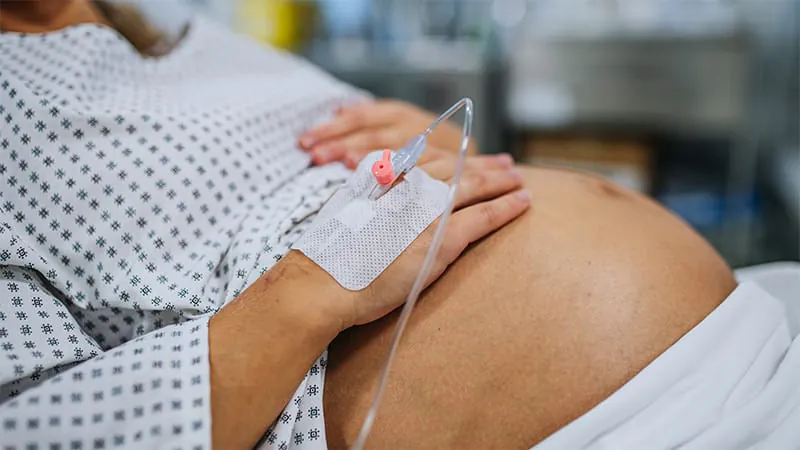
Giving pregnant women IV iron before delivery significantly lowers their odds of needing a blood transfusion or postpartum iron therapy, a new study finds. The benefits were most dramatic in women with severe anaemia, and babies born to treated mothers were less likely to need NICU care or jaundice treatment. Researchers say the findings support IV iron as a key blood management strategy in pregnancy.
A retrospective cohort study out of Italy has found that antenatal intravenous (IV) iron therapy is a powerful tool for managing iron deficiency anaemia (IDA) in pregnancy. Among 851 women studied across two tertiary centres, those who received IV ferric carboxymaltose before delivery had significantly lower odds of needing a red blood cell (RBC) transfusion or postpartum IV iron therapy compared to untreated women. The benefits were especially striking in women with the most severe anaemia.
Beyond maternal outcomes, neonates born to treated mothers also fared better — they were less likely to be admitted to the NICU or require treatment for jaundice, suggesting a meaningful ripple effect of antenatal iron optimization on newborn health.
By the Numbers:
Why it matters: Iron deficiency anaemia in pregnancy is a widespread concern, and blood transfusions carry both clinical risks and resource costs. This study adds meaningful evidence that IV iron therapy — particularly for women with severe anaemia — can reduce transfusion exposure, ease postpartum recovery, and improve newborn outcomes, potentially easing the burden on healthcare systems.