Curie Brief
Turn on cookies to sign in
Signing in saves your progress to your Curie account. We can only do that with cookies on — turn them on to continue.
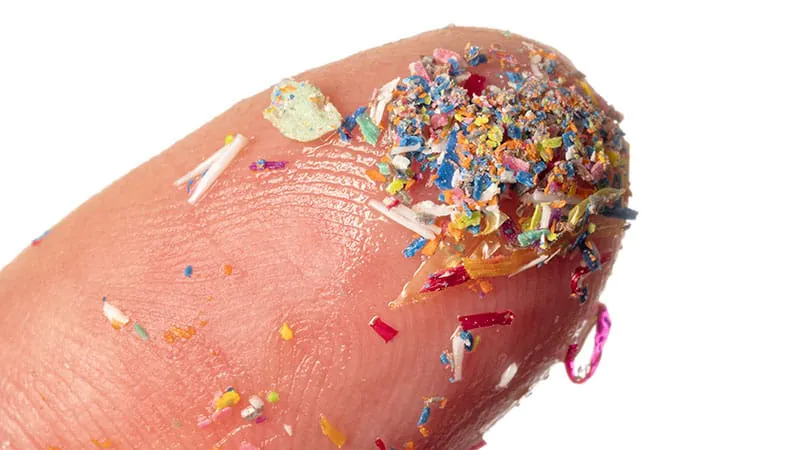
Your plastic packaging might be doing more than just holding your food. Scientists are zeroing in on "obesogens" — everyday chemicals found in plastics, cosmetics, and food packaging — that may interfere with how your body stores fat and regulates metabolism. While human evidence is still associative rather than causal, experts say these exposures deserve a seat at the table alongside diet, exercise, and genetics.
The obesity conversation has long revolved around calories in vs. calories out — but researchers are increasingly pointing to a lesser-known player: "obesogens." These are endocrine-disrupting chemicals (EDCs) found in everyday plastics, food packaging, cosmetics, and even drinking water that may interfere with how the body stores fat, regulates appetite, and processes insulin. The term was coined in 2006, and scientific interest has only grown since.
Chemicals like bisphenol A (BPA), phthalates, PFAS, and tributyltin have been shown in cell and animal studies to activate fat-cell-promoting pathways, disrupt gut microbiome health, and alter thyroid and insulin function. Experts stress, however, that human research has so far only established associations — not causation — and that diet, sleep, genetics, and physical activity remain the dominant factors in metabolic health.
Key Takeaways:
Why it matters: As obesity rates remain stubbornly high, obesogens offer a potential missing piece of the puzzle — one that points upstream toward regulation of food-contact materials and water quality, not just individual behavior.