Curie Brief
Turn on cookies to sign in
Signing in saves your progress to your Curie account. We can only do that with cookies on — turn them on to continue.
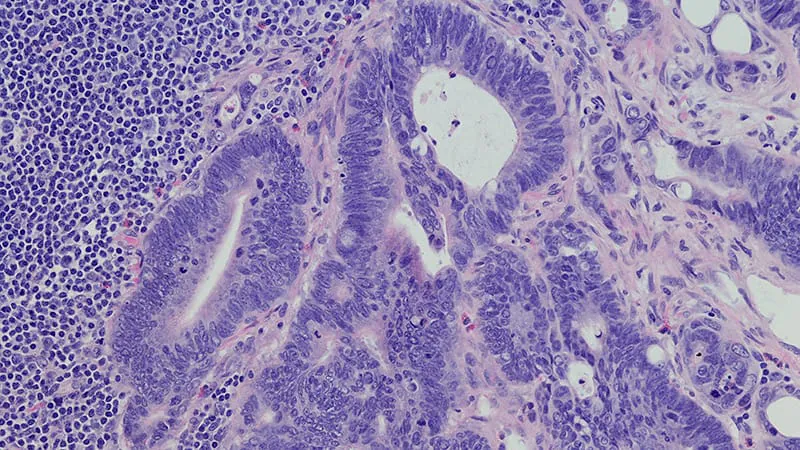
Colorectal cancer (CRC) in patients aged 21 and under is being diagnosed late, at advanced stages, and with alarming mortality rates, according to a new multicenter study. Of 84 young patients tracked across 34 institutions, 80% presented with stage III or IV disease, and the 5-year overall survival was just 47%. Researchers say bowel symptoms in young patients should trigger an expedited workup.
Colorectal cancer (CRC) in children and young adults is not just rare — it's aggressive. A new multicenter study presented at the AAP 2026 National Conference found that among 84 patients aged 21 and under diagnosed between 2012 and 2023, the vast majority were caught at advanced stages, with a median symptom-to-diagnosis delay of 12 weeks. Researchers say this population represents a biologically distinct form of the disease compared to CRC in older adults.
The findings are a wake-up call for clinicians. Common presenting symptoms included abdominal or back pain, changes in bowel habits, weight loss, and rectal bleeding — signs that are often attributed to less serious conditions in young patients. Experts stress that these symptoms in adolescents and young adults should prompt an expedited diagnostic workup to avoid further delays.
By the Numbers
Why it matters: As CRC rates rise among younger populations — up 333% in 15–19-year-olds from 1999 to 2020 — clinicians need to keep this diagnosis on their radar. Earlier recognition and deeper molecular profiling of these cases could be key to improving survival in this vulnerable group.