Curie Brief
Turn on cookies to sign in
Signing in saves your progress to your Curie account. We can only do that with cookies on — turn them on to continue.
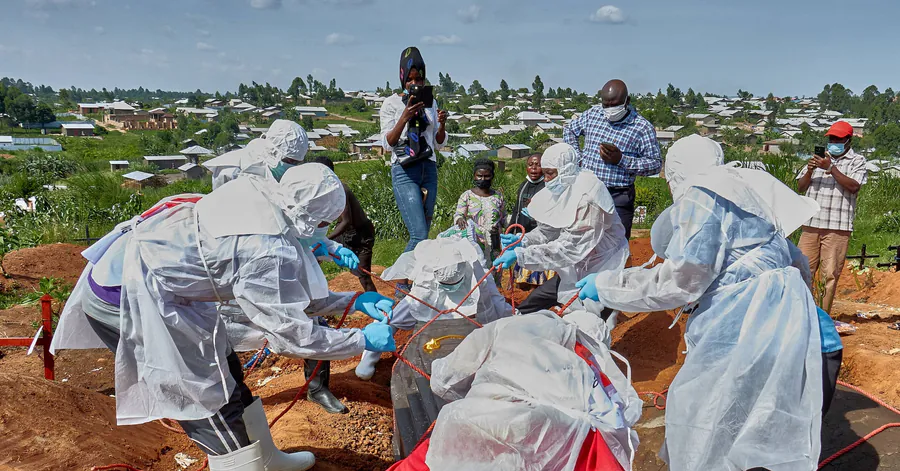
The Trump administration's "America First" approach — barring exposed US citizens from returning home and imposing a 21-day quarantine in Kenya — has dramatically reduced American medical volunteers in Congo, where the Ebola outbreak is spreading faster than ever. With over 4,000 deaths and 8,224 confirmed cases, experts warn the diminished US role is straining the global response at a critical moment.
The Trump administration's closed-borders response to the Ebola outbreak in the Democratic Republic of Congo is drawing sharp criticism from public health experts, aid workers, and legal scholars. When US citizens were exposed to the virus, the White House directed that none would be brought home for treatment — a sharp break from decades of precedent. Instead, a $70 million quarantine camp was set up in Kenya, and a "do-not-board" order now blocks anyone who has been in Congo within 21 days from boarding US-bound flights.
The fallout has been significant. American medical volunteers — once the backbone of Ebola response efforts — have dwindled sharply. At Samaritan's Purse Ebola Treatment Centers, US staff dropped from 80% to just 20% of the workforce. The shutdown of USAID and US withdrawal from the WHO have also disrupted supply chains for medicines and equipment.
By the Numbers:
Why it matters: This is the fastest-spreading Ebola epidemic on record, and the US policy shift is leaving a critical gap in global response capacity. Without adequate international support, the CDC warns deaths could surpass the 11,308 recorded in the 2014 West Africa outbreak.