Curie Brief
Turn on cookies to sign in
Signing in saves your progress to your Curie account. We can only do that with cookies on — turn them on to continue.
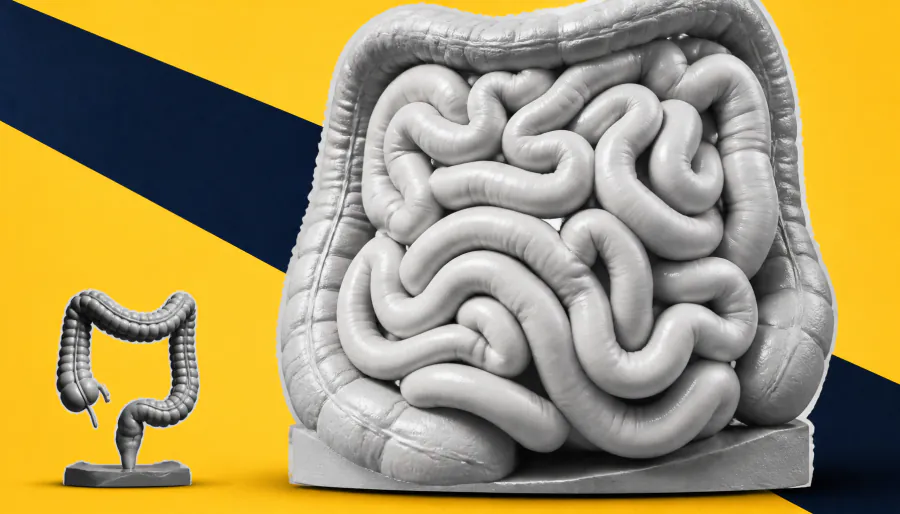
The keto diet may raise small intestinal cancer risk, MIT researchers warn. A new Nature study found that cancer-prone mice on a ketogenic diet developed more small intestinal tumors — not because of ketone bodies, but because of how intestinal stem cells burn dietary fat. Surprisingly, the same diet reduced tumor formation in the colon, revealing starkly opposite effects within the same digestive tract.
The keto diet's cancer effects depend on where you look in the gut
MIT researchers have uncovered a surprising and tissue-specific cancer risk tied to the ketogenic diet. In a new study published in Nature, cancer-prone mice fed a ketogenic diet developed small intestinal tumors more frequently than those on a standard diet — at rates comparable to mice on an obesity-inducing high-fat diet. Meanwhile, the same ketogenic diet reduced tumor formation in the colon, mirroring findings from a 2022 Nature study.
The culprit isn't ketone bodies like beta-hydroxybutyrate (BHB), which have been widely discussed in health circles. Instead, the increased risk stems from fatty acid oxidation — the process by which intestinal cells burn dietary fat for energy. This ramps up a family of proteins called PPARs, which drive intestinal stem cells to divide more rapidly, increasing the odds of cancerous changes.
Key Takeaways:
Why it matters: As keto diets surge in popularity, this research is a critical reminder that dietary effects are tissue-specific — what protects one part of the gut may harm another. Clinicians and patients should exercise caution before broadly recommending ketogenic diets, particularly for those with elevated intestinal cancer risk.