Curie Brief
Turn on cookies to sign in
Signing in saves your progress to your Curie account. We can only do that with cookies on — turn them on to continue.
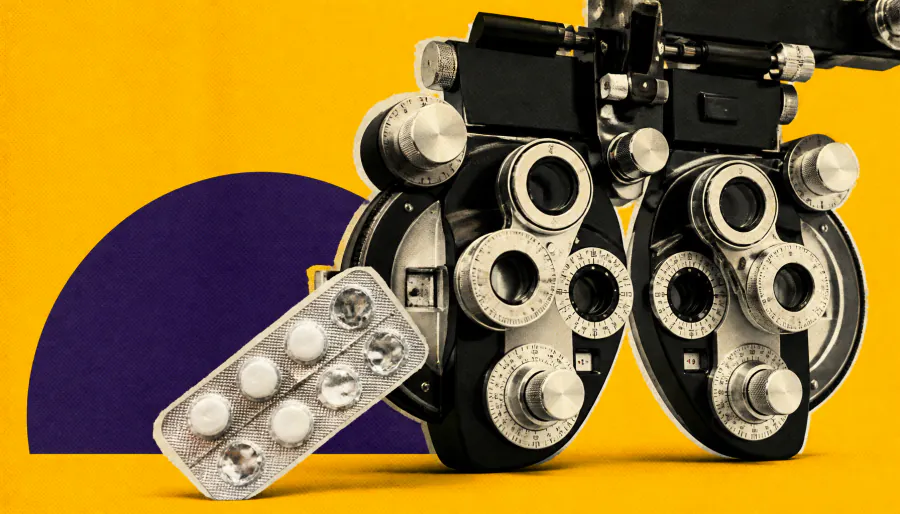
Most eye care professionals know that presbyopia and perimenopause hit around the same time, but over half aren't bringing it up with patients. A Johnson & Johnson survey presented at Academy 2026 reveals a major gap between awareness and action. Meanwhile, a global survey of 6,000 women found that only 40% connect vision changes to menopause — and just 18% included an eye exam in their midlife health plans.
There's a natural overlap between two major midlife milestones — presbyopia (age-related vision changes) and perimenopause — but a new survey suggests eye care professionals (ECPs) aren't capitalizing on the connection. Presented at Academy 2026, the Johnson & Johnson survey of 75 female optometrists found that while 75% were aware the two conditions tend to occur simultaneously, more than half never initiated that conversation with patients. The top barriers? Time constraints, discomfort with the topic, and feeling under-qualified to discuss hormonal health.
Patients are already showing up with clues: over half of ECPs reported that patients are raising symptoms beyond vision changes — including dry eye, headaches, and perimenopausal symptoms. A separate global survey of 6,000 women reinforced the disconnect, finding that only 40% link vision changes to menopause, and just 18% included an eye exam in their midlife health plans.
By the Numbers:
Why it matters: Eye exams are an underutilized touchpoint in women's midlife health. With patients already raising hormonal symptoms in the exam chair, ECPs have a real — and largely untapped — opportunity to expand their role in women's healthcare.