Curie Brief
Turn on cookies to sign in
Signing in saves your progress to your Curie account. We can only do that with cookies on — turn them on to continue.
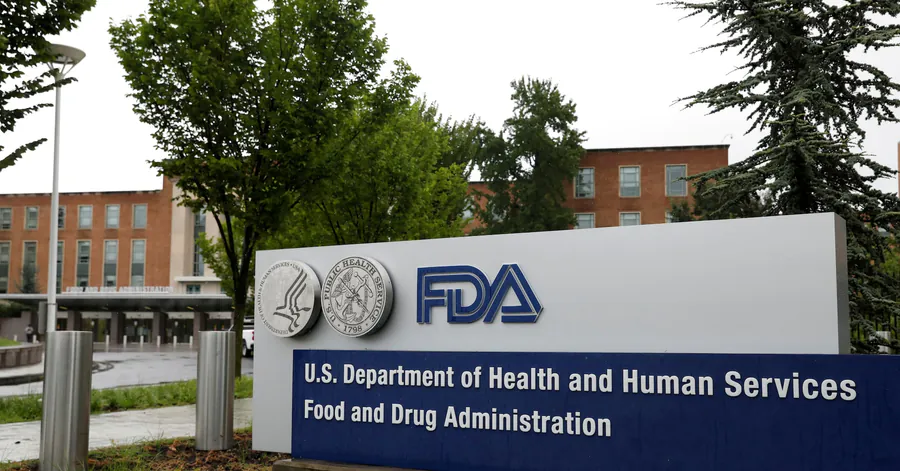
The FDA is moving forward with the first federally funded clinical trials of ibogaine — a psychedelic derived from an African shrub — to treat opioid addiction and PTSD. Backed by a $50 million Trump executive order, the trials will be conducted under strict safety protocols, including continuous heart monitoring for up to 36 hours. The FDA is seeking public feedback on trial design through November 20.
The FDA is greenlighting the first US government-funded clinical trials of ibogaine, a psychedelic compound derived from the African iboga shrub, to explore its potential in treating opioid addiction and PTSD. The move follows a $50 million executive order signed by President Trump in April, with funding flowing through the Advanced Research Projects Agency for Health (ARPA-H) and the National Institute on Drug Abuse (NIDA).
Ibogaine remains a Schedule I controlled substance in the US, but it has drawn growing interest — particularly from military veterans who have traveled abroad seeking relief from trauma and addiction. The FDA has been candid about the risks, flagging life-threatening irregular heart rhythms and potential brain toxicity as serious concerns.
To manage those risks, the initial trial protocol calls for single, gradual doses capped at 10 mg/kg, with participants under continuous hospital cardiac monitoring for up to 36 hours. The FDA has opened a public comment period through November 20 to gather input on trial design, dosing, patient eligibility, and safety oversight.
Key Takeaways:
Why it matters: For patients with opioid addiction or PTSD who haven't responded to existing treatments, ibogaine represents a potentially transformative — but risky — new frontier. These trials could set the safety and regulatory blueprint for psychedelic medicine in the US.