Curie Brief
Turn on cookies to sign in
Signing in saves your progress to your Curie account. We can only do that with cookies on — turn them on to continue.
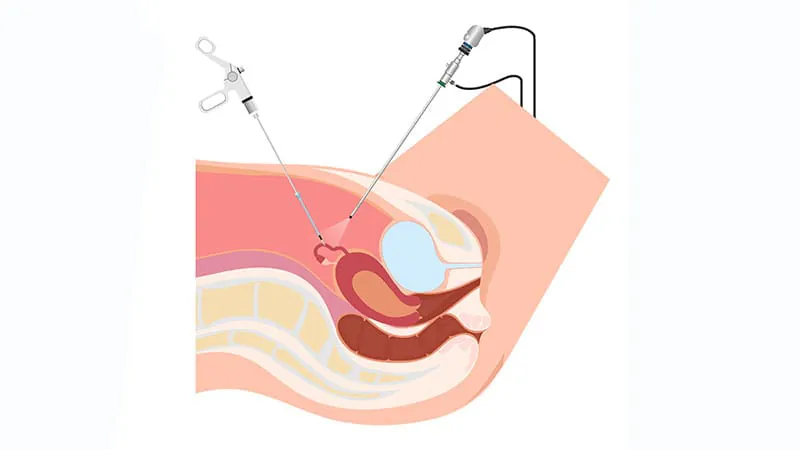
When it comes to treating uterine fibroids, two popular surgical options appear to be equally effective in the long run. A 2-year study found that both laparoscopic radiofrequency ablation (RFA) and myomectomy significantly reduced symptoms and improved quality of life in premenopausal women — with no clinically meaningful difference between the two by the end of the study period.
For women dealing with symptomatic uterine fibroids, the choice between laparoscopic radiofrequency ablation (RFA) and myomectomy may come down to personal preference rather than outcomes. A large prospective cohort study (ULTRA) following 401 premenopausal women across multiple US sites found that both procedures delivered substantial, lasting improvements in symptom severity and health-related quality of life (HRQOL) over 24 months.
Myomectomy did show an early edge — patients reported greater reductions in symptom severity at 3, 6, and 12 months, and better HRQOL improvements through 18 months. But by the 2-year mark, those differences had faded and no longer met the threshold for clinical meaningfulness.
By the Numbers:
Why it matters: These findings support a more personalized approach to fibroid treatment. Since both procedures offer durable relief, clinicians and patients can weigh factors like fibroid characteristics, recovery preferences, and future fertility goals — rather than assuming one surgery is universally superior.