Curie Brief
Turn on cookies to sign in
Signing in saves your progress to your Curie account. We can only do that with cookies on — turn them on to continue.
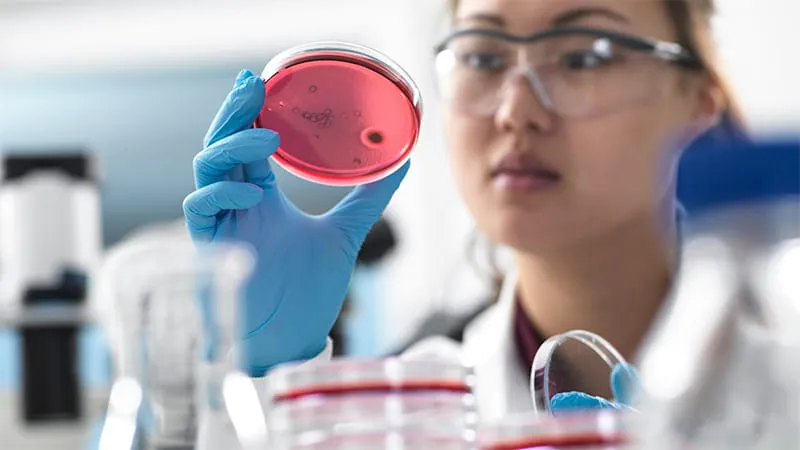
Waiting on the right antibiotic isn't as dangerous as we thought. A Swedish study found that starting effective antibiotics more than 24 hours after blood cultures were drawn did not increase 30-day mortality in patients with ESBL-producing bacterial bloodstream infections. The findings could help reduce unnecessary use of powerful carbapenem antibiotics.
When it comes to drug-resistant bloodstream infections, timing may matter less than previously assumed. A retrospective Swedish study of 644 adults found that delaying effective antibiotic therapy beyond 24 hours of blood culture collection was not associated with higher 30-day mortality in patients with bloodstream infections caused by extended-spectrum beta-lactamase (ESBL)-producing Enterobacterales — a group of bacteria notorious for resisting many common antibiotics.
Patients were split into two groups: those who received effective empirical therapy within 24 hours (355 patients) and those who did not (289 patients). Mortality at 30 days was slightly lower in the delayed group (6.6% vs. 9.6%), though the difference was not statistically significant after adjusting for illness severity and other factors.
By the Numbers:
Why it matters: These findings offer meaningful support for antimicrobial stewardship programs. By showing that a short delay in effective therapy doesn't worsen short-term outcomes, clinicians may feel more confident avoiding reflexive use of carbapenems — powerful last-resort antibiotics — helping to preserve their effectiveness for when they're truly needed.