Curie Brief
Turn on cookies to sign in
Signing in saves your progress to your Curie account. We can only do that with cookies on — turn them on to continue.

The scientist who cracked cancer's toughest target just won a major prize. UCSF's Kevan Shokat, PhD, received the $1 million Stephenson Global Prize for discovering how to block KRAS — a mutated protein driving ~30% of all cancers. His work sparked a new class of cancer drugs, including daraxonrasib, which recently doubled survival time in advanced pancreatic cancer and earned FDA approval.
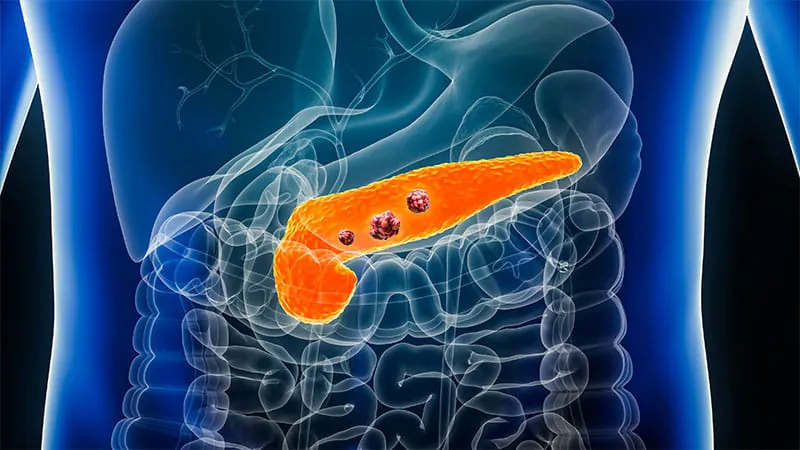
For decades, KRAS was considered cancer's "undruggable" target — a slippery, smooth protein that drives roughly 30% of all cancers and nearly 90% of pancreatic cancers. UCSF chemical biologist Kevan Shokat, PhD, refused to give up. By focusing on a specific cancer-causing mutation called G12C, his team discovered a hidden pocket in KRAS that small-molecule drugs could bind to, effectively locking the protein's growth signal in the "off" position. The landmark discovery was published in 2013 and changed the trajectory of cancer research worldwide.
That breakthrough has since translated into real treatments. The first KRAS inhibitor earned FDA approval for lung cancer in 2021, and more than 60 RAS-targeting drugs are now in development. Most recently, daraxonrasib — developed by Revolution Medicines, which Shokat co-founded — received FDA approval after a Phase III trial showed it doubled median survival in advanced pancreatic cancer patients from 6 to 13 months.
By the Numbers:
Why it matters: Shokat's work transformed a seemingly impossible scientific problem into a new era of targeted cancer therapy — offering hope to millions of patients with cancers that were once considered untreatable.