Curie Brief
Turn on cookies to sign in
Signing in saves your progress to your Curie account. We can only do that with cookies on — turn them on to continue.
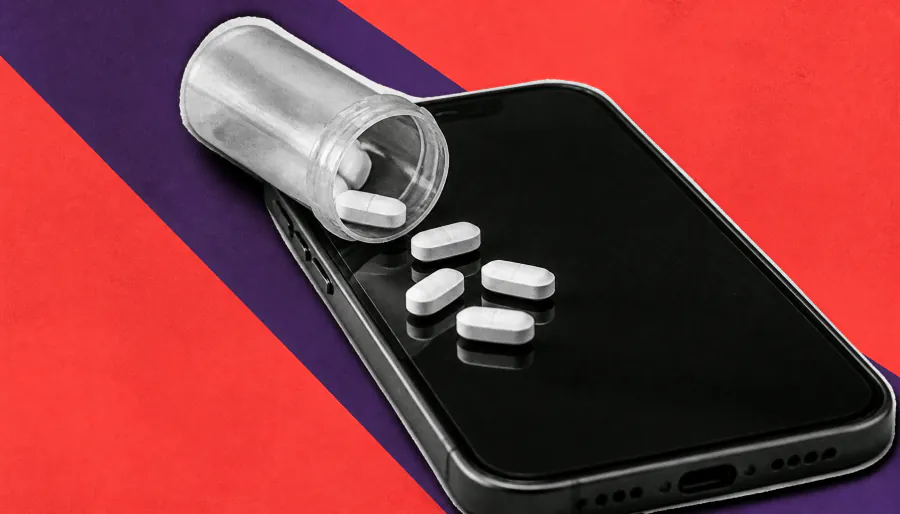
After the FDA and HHS claimed a link between prenatal Tylenol use and autism in 2025, misinformation flooded TikTok — and it vastly outperformed accurate content in views. A single false video racked up 10.3 million views, while health institutions were slow or silent in responding. Researchers say it's time for medical organizations to show up where patients are getting their information.
When the FDA and HHS announced in September 2025 that prenatal acetaminophen (Tylenol) use may increase autism risk — despite limited supporting evidence — TikTok lit up. Researchers from Rutgers analyzed 53 TikTok videos posted between September and November 2025 and found that while the majority (52.8%) contained evidence-based information, misinformation videos dominated in reach, capturing 52.4% of total views.
The most striking finding? A single misinformation video amassed 10.3 million views — more than a third of all views across the entire dataset. Meanwhile, health professionals posting accurate content simply couldn't compete with the algorithm. A follow-up audit of 65 institutional Instagram accounts found that only 21.5% posted any response to the controversy, and no state health departments weighed in at all.
By the Numbers:
Why it matters: This study highlights a growing gap between where patients get health information and where medical institutions choose to engage. When federal agencies make unsubstantiated health claims, the misinformation vacuum fills fast — and silence from trusted institutions isn't neutrality, it's a missed opportunity.