Curie Brief
Turn on cookies to sign in
Signing in saves your progress to your Curie account. We can only do that with cookies on — turn them on to continue.
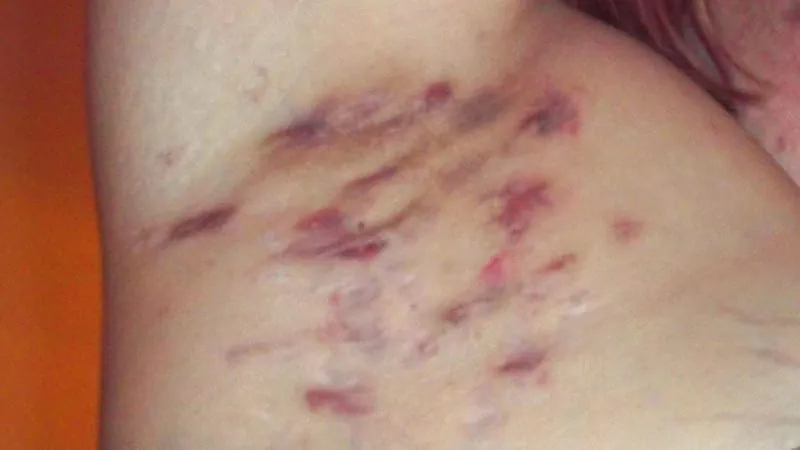
Three phase 2 trials targeting distinct immune pathways — TL1A, IL-1β, and IL-1α/β — have all shown promising results for hidradenitis suppurativa (HS). Drugs tulisokibart, abdakibart, and lutikizumab each demonstrated significant improvements over placebo, with clean safety profiles. Phase 3 trials are already underway or planned, signaling a potential new era of treatment options for this difficult-to-treat skin condition.
Three separate phase 2 trials presented at the EADV 2026 Congress in Vienna have delivered exciting news for patients with hidradenitis suppurativa (HS) — a chronic, painful inflammatory skin disease with limited treatment options. Each trial targeted a distinct immune mechanism, and all three showed meaningful improvements over placebo, with researchers describing the results as "exciting" and "very promising."
Tulisokibart (targets TL1A) led 71% of high-dose patients to achieve HiSCR50 vs. 41% on placebo. Abdakibart (targets IL-1β) hit its primary HiSCR75 endpoint with ~42% response rates vs. 25.6% on placebo. Lutikizumab (targets both IL-1α and IL-1β) reduced lesional neutrophils and inflammatory markers, with new data suggesting it may also reduce fibrosis and tunnel formation — hallmarks of severe HS.
By the Numbers:
Why it matters: HS remains a condition with significant unmet need despite existing biologics. These three trials — each hitting a different target — suggest the treatment landscape is about to expand meaningfully, offering clinicians more tools to personalize care for patients who don't respond to current options.