Curie Brief
Turn on cookies to sign in
Signing in saves your progress to your Curie account. We can only do that with cookies on — turn them on to continue.
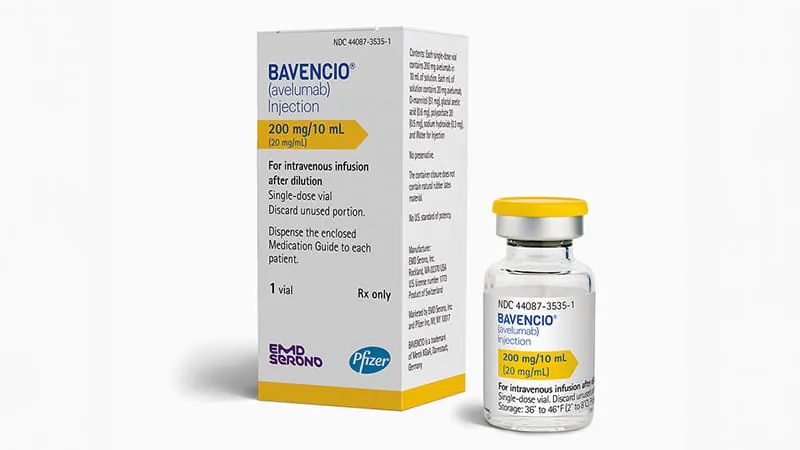
A real-world Austrian study confirms that avelumab (Bavencio) delivers meaningful results against Merkel cell carcinoma (MCC) in older patients often excluded from clinical trials. With a median age of 81, nearly half of patients responded to treatment, though adverse events were common. These findings align with broader trial data from the ADAM and STAMP studies, reinforcing immunotherapy's growing role in MCC management.
A retrospective, real-world study from Austria found that avelumab (Bavencio), a PD-L1-blocking antibody, delivered clinically meaningful outcomes in 49 patients with inoperable or metastatic Merkel cell carcinoma (MCC) — a rare and aggressive skin cancer. With a median age of 81 and a mix of stage IIIB and stage IV disease, this cohort represents the kind of older, comorbidity-laden patients typically left out of clinical trials.
Nearly half of evaluable patients responded to treatment, and survival outcomes were broadly comparable to those seen in the pivotal JAVELIN Merkel 200 trial, though the real-world response rate was somewhat lower. Adverse events were frequent, with over 70% of patients experiencing at least one, and about 12% permanently discontinuing treatment — underscoring the need for careful monitoring in this population. Complementing these findings, the phase 3 ADAM trial showed adjuvant avelumab numerically reduced relapse risk by ~50% in high-risk stage III MCC, and the STAMP trial found adjuvant pembrolizumab improved MCC-specific outcomes in select patients.
By the Numbers
Why it matters: MCC disproportionately affects older adults, yet most trial data come from younger, healthier populations. This growing body of evidence — from real-world data to randomized trials — is helping clinicians make more informed, individualized decisions about immunotherapy in a cancer where treatment options have historically been limited.