Curie Brief
Turn on cookies to sign in
Signing in saves your progress to your Curie account. We can only do that with cookies on — turn them on to continue.
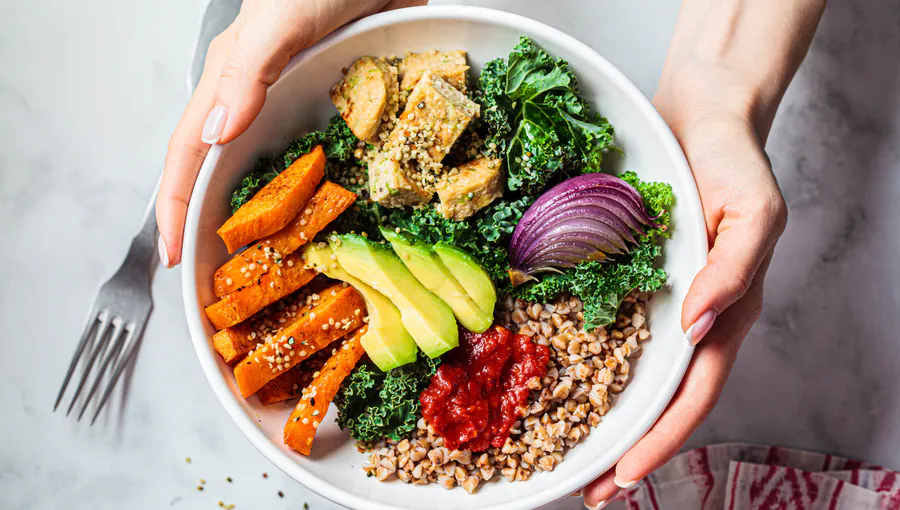
The American College of Cardiology's new scientific statement makes it clear: diet quality is a cornerstone of cardiovascular disease prevention and management. The guidance, published in JACC, champions plant-forward eating and limits on ultraprocessed foods, and calls on clinicians to weave nutrition conversations into routine care. Notably, the statement also emphasizes that GLP-1 medications do not replace the need for a healthy diet.
The American College of Cardiology (ACC) has released a new scientific statement reinforcing that overall diet quality — not any single nutrient or trendy food rule — is central to preventing and managing cardiovascular disease (CVD). Published in the Journal of the American College of Cardiology, the guidance calls for a "plant-forward" approach: more fruits, vegetables, whole grains, legumes, nuts, and healthy fats like olive oil, while cutting back on ultraprocessed foods, added sugars, excess sodium, saturated fats, and alcohol. The Mediterranean and DASH diets earn strong endorsements.
One notable message: the rise of GLP-1 receptor agonists doesn't make healthy eating optional. The statement emphasizes that medications and nutrition are complementary tools, not substitutes for one another. The ACC also calls on clinicians to make nutrition counseling a standard part of every patient visit — something currently hampered by limited nutrition training in medical schools.
Key Takeaways:
Why it matters: With poor diet remaining a top driver of CVD, this statement is a call to action for the cardiology community to treat nutrition as a clinical priority — and to ensure patients understand that lifestyle and medication work best together.