Curie Brief
Turn on cookies to sign in
Signing in saves your progress to your Curie account. We can only do that with cookies on — turn them on to continue.
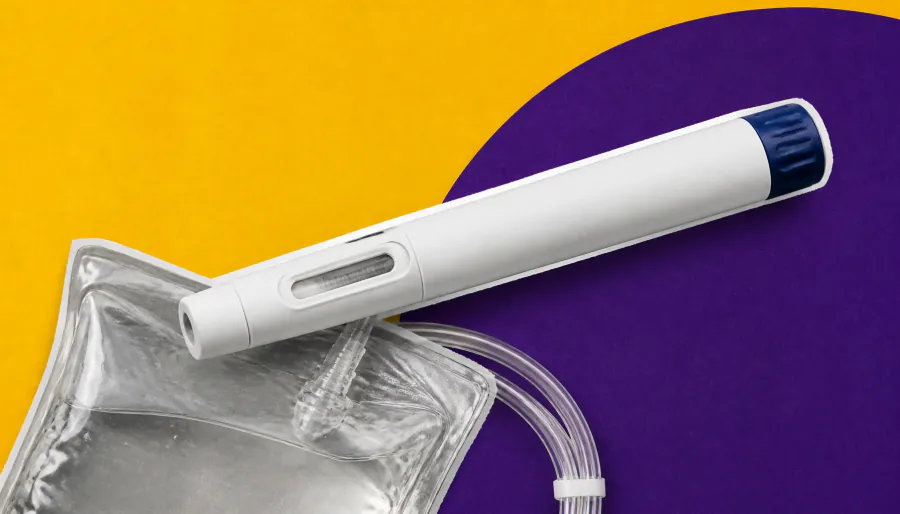
Two emerging therapies are showing staying power in myasthenia gravis. Gefurulimab, a once-weekly self-injected complement inhibitor, sustained meaningful functional improvements through 52 weeks in the PREVAIL trial's open-label extension. Meanwhile, efgartigimod continued to benefit even harder-to-treat antibody-negative patients, with responses improving over successive treatment cycles.
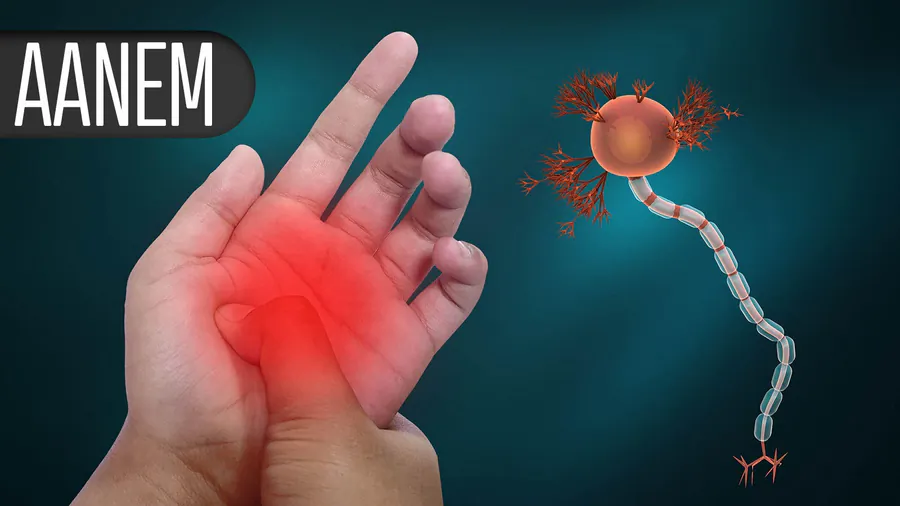
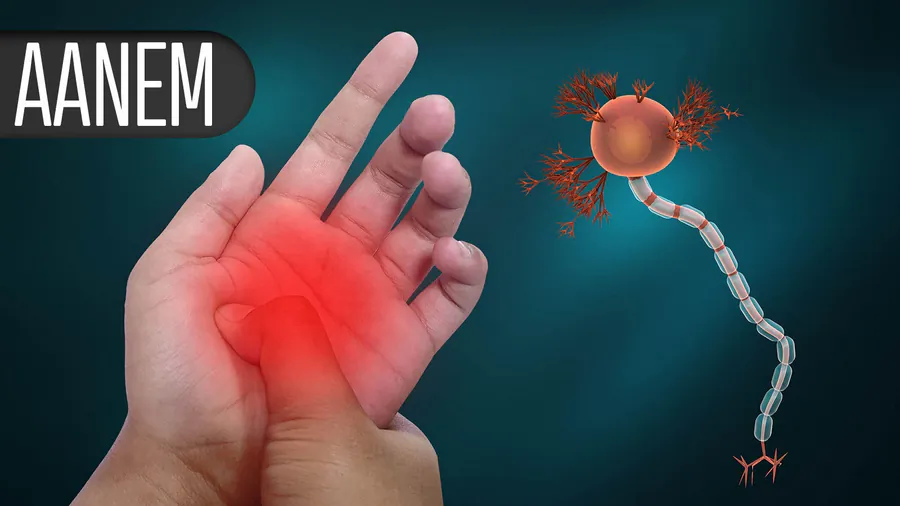
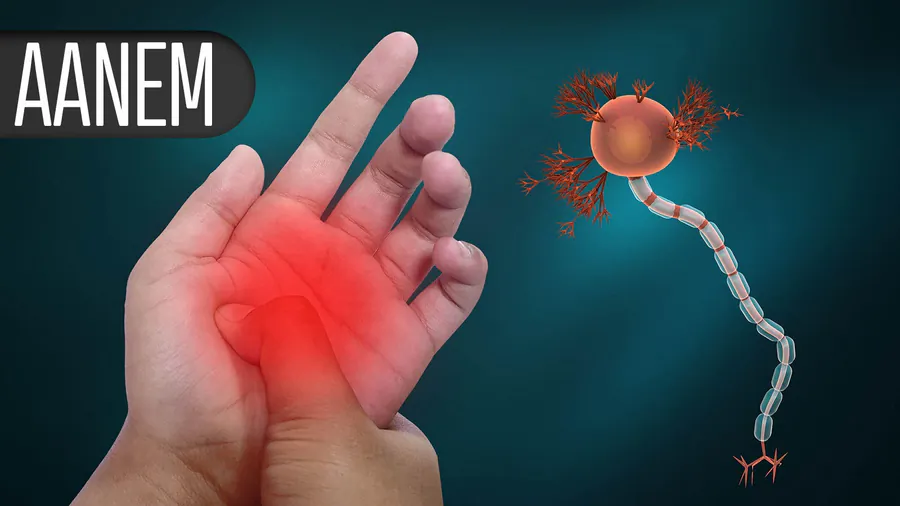
Good news for patients with generalized myasthenia gravis (gMG): two therapies are showing durable benefits well beyond their initial trial periods. Data presented at the 2026 AANEM meeting in Orlando highlighted long-term efficacy for both gefurulimab and efgartigimod across different patient subtypes.
Gefurulimab — a dual-binding nanobody that blocks complement component C5 — sustained functional gains through 52 weeks in the open-label extension of the phase III PREVAIL trial. Patients who had been on placebo and switched to the drug at week 26 also saw rapid and sustained improvements. The drug is self-administered subcutaneously once weekly and is currently under FDA review, with EU approval already recommended. Efgartigimod (Vyvgart), already approved for AChR antibody-positive gMG, showed continued efficacy in antibody-negative patients — including triple-seronegative cases — through the open-label period of the ADAPT SERON trial. Notably, responses improved with each successive treatment cycle.
By the Numbers:
Why it matters: These findings expand the treatment horizon for gMG patients — including those who don't respond to standard antibody-targeted therapies — and reinforce that long-term use of these agents is both effective and well tolerated.