Curie Brief
Turn on cookies to sign in
Signing in saves your progress to your Curie account. We can only do that with cookies on — turn them on to continue.
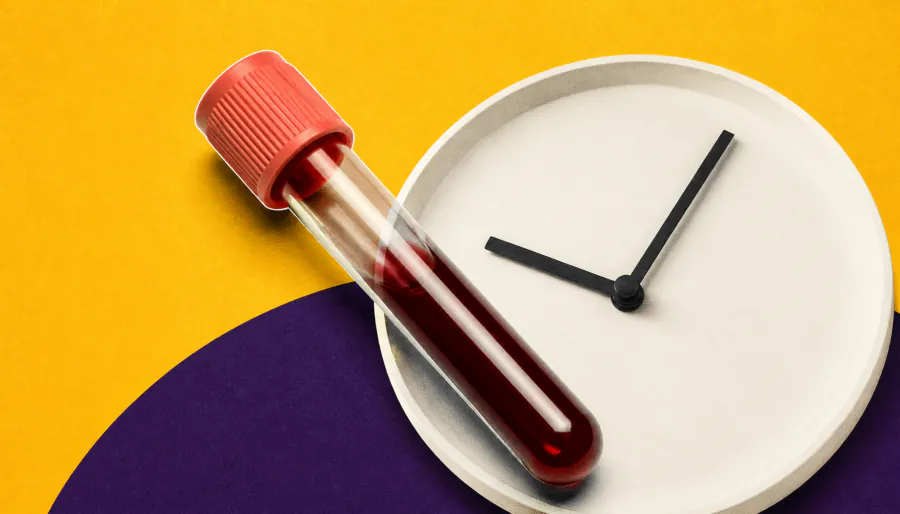
Strict fasting rules before routine blood draws may be overdue for a rethink. A large study in JAMA Internal Medicine found that fasting fewer than 8 hours or more than 12 hours had little impact on most lab results. Exceptions include glucose and triglycerides, which still warrant at least 8 hours of fasting — but for many other tests, rigid rules may be doing more harm than good.
Strict pre-test fasting rules may be unnecessarily burdensome for many patients, according to a large observational study published in JAMA Internal Medicine. Researchers analyzed nearly 9.8 million test results from over 101,000 adults in South Korea and found that fasting for fewer than 8 hours — or more than 12 hours — had minimal impact on the vast majority of routine lab values.
Out of 121 routine analytes examined, only 10 showed clinically meaningful fasting-related differences. Triglycerides, glucose, lipase, and gamma-glutamyl transferase were notably higher with shorter fasting windows, while total bilirubin and 25-hydroxyvitamin D were elevated after prolonged fasting (>12 hours). Importantly, no analyte showed added benefit from fasting beyond 12 hours.
Key Takeaways:
Why it matters: Unnecessary fasting creates real-world risks — especially for patients on insulin or sulfonylureas who may face hypoglycemia. It also creates access barriers for shift workers and caregivers. Tailoring fasting instructions to the specific tests ordered could improve both patient safety and health equity.