Curie Brief
Turn on cookies to sign in
Signing in saves your progress to your Curie account. We can only do that with cookies on — turn them on to continue.
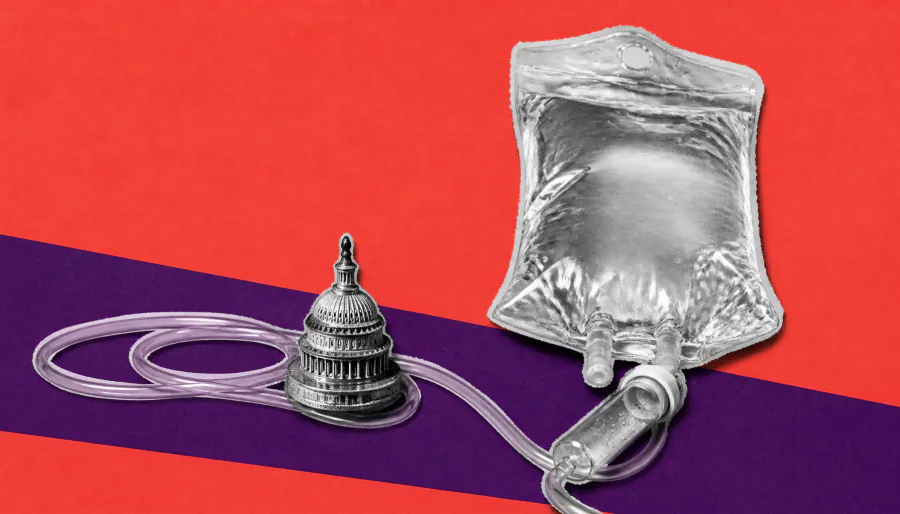
Merck is discontinuing Recarbrio, a combination IV antibiotic used against life-threatening, drug-resistant infections. The move isn't about safety — it's about economics. Experts warn the decision exposes a systemic flaw: the very stewardship practices that protect antibiotics also starve manufacturers of revenue, making it nearly impossible to sustain these critical drugs on the market.
Merck is pulling Recarbrio — a combination antibiotic (imipenem-cilastatin + relebactam) approved to treat multidrug-resistant UTIs, intra-abdominal infections, and hospital-acquired pneumonia — from the U.S. market. The company cited an "ongoing portfolio review," not safety or quality concerns. Remaining inventory was expected to run out by the end of September 2026.
The clinical fallout is real but targeted. Infectious disease experts say the biggest losers are patients with difficult-to-treat Pseudomonas aeruginosa, for whom imipenem-relebactam was one of only a handful of preferred options. For KPC-producing carbapenem-resistant infections, alternatives like ceftazidime-avibactam and cefiderocol remain available — though the list keeps getting shorter.
The bigger story is the broken economics of antibiotic development. Because stewardship programs rightly limit antibiotic use, last-resort drugs sit on shelves and generate little revenue — making them financially unsustainable even for pharma giants like Merck. Experts are pointing to the PASTEUR Act, a bipartisan but still-unpassed bill that would pay companies fixed annual fees for novel antibiotics regardless of usage volume, as the structural fix needed to prevent more exits like this.
Key Takeaways
Why it matters: When both startups and pharmaceutical giants can't sustain last-resort antibiotics on the market, the pipeline for fighting drug-resistant infections shrinks — and resistance doesn't wait. Without structural payment reform, clinicians will keep losing tools they can't afford to lose.