Curie Brief
Turn on cookies to sign in
Signing in saves your progress to your Curie account. We can only do that with cookies on — turn them on to continue.

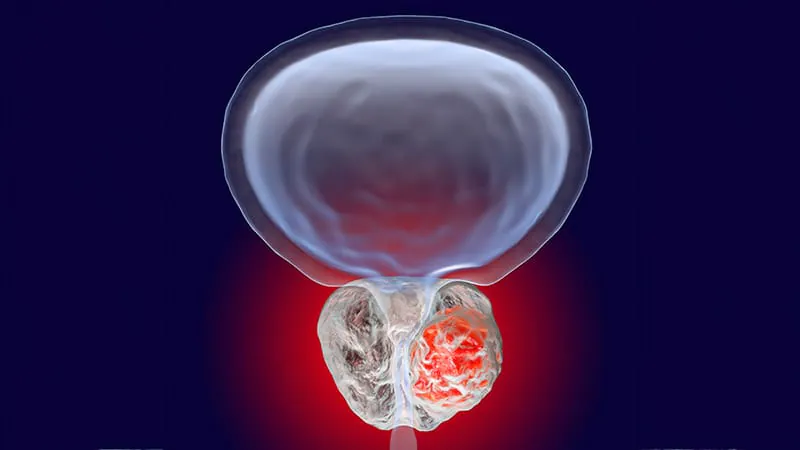
A popular prostate surgery technique may come at a hidden cost. A post hoc analysis found that the Retzius-sparing approach to robot-assisted radical prostatectomy (RARP) was tied to significantly worse progression-free survival at both 5 and 10 years compared to the traditional anterior approach — raising real questions about its oncologic safety, especially when performed by surgeons with limited experience.
The Retzius-sparing approach to robot-assisted radical prostatectomy (RARP) has been praised for helping patients regain urinary control faster — but a new post hoc analysis suggests that benefit may come with a meaningful trade-off in cancer outcomes. Researchers found that men who underwent Retzius-sparing RARP had significantly worse progression-free survival (PFS) compared to those who had the traditional anterior approach, with the gap widening considerably over time.
The analysis drew from a randomized trial of 120 men with low- to intermediate-risk prostate cancer, with a median follow-up of 77 months. Notably, the two surgeons involved had limited Retzius-sparing experience — a factor that may have influenced the results. Even after adjusting for cancer risk scores, the Retzius-sparing approach carried a higher risk of progression.
Why it matters: These findings challenge the growing enthusiasm for Retzius-sparing RARP, suggesting that its long-term oncologic profile — particularly in surgeons still on the learning curve — warrants closer scrutiny and prospective study before broader adoption.