Curie Brief
Turn on cookies to sign in
Signing in saves your progress to your Curie account. We can only do that with cookies on — turn them on to continue.
Your mental health may be putting your brain at risk. A meta-analysis of over 11 million people found that PTSD raises the risk of a first-ever stroke by 50%, while anxiety disorders increase it by 29%. The link was strongest for ischaemic stroke, suggesting these psychiatric conditions could be important — and underappreciated — markers of vascular risk.
A sweeping meta-analysis of more than 11 million participants has found that anxiety disorders and PTSD are meaningfully linked to a higher risk of experiencing a first-ever stroke. The study, published in the Journal of Affective Disorders, pooled data from 23 cohort studies spanning Europe, North America, and East Asia, with follow-up periods ranging from 2 to 27 years.
PTSD emerged as the strongest risk factor among those studied, followed by anxiety disorders and OCD. The associations held up whether diagnoses were clinically confirmed or based on validated self-reported screening tools — though self-reported anxiety symptoms alone weren't significantly tied to stroke risk on their own.
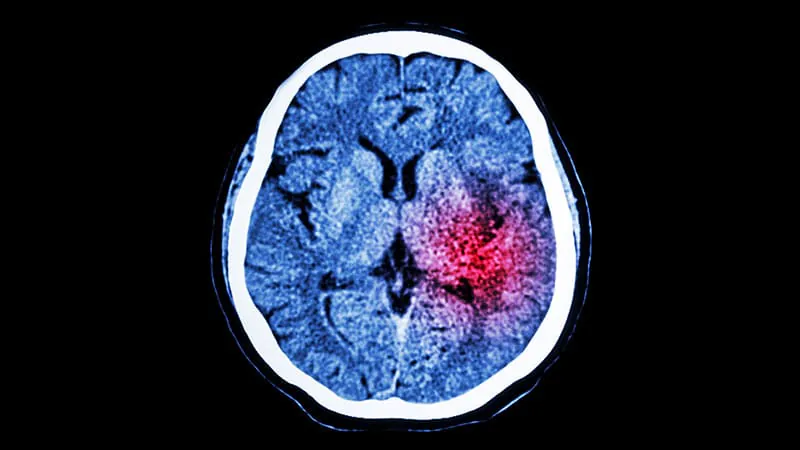
The elevated risk was primarily driven by ischaemic stroke, with no significant association found for haemorrhagic stroke. Researchers suggest these psychiatric conditions may serve as underrecognized markers of vascular risk.
By the Numbers:
Why it matters: Clinicians treating patients with anxiety or PTSD may need to factor in cardiovascular and cerebrovascular risk more proactively — these aren't just mental health diagnoses, they may be early warning signs of stroke vulnerability.