Curie Brief
Turn on cookies to sign in
Signing in saves your progress to your Curie account. We can only do that with cookies on — turn them on to continue.
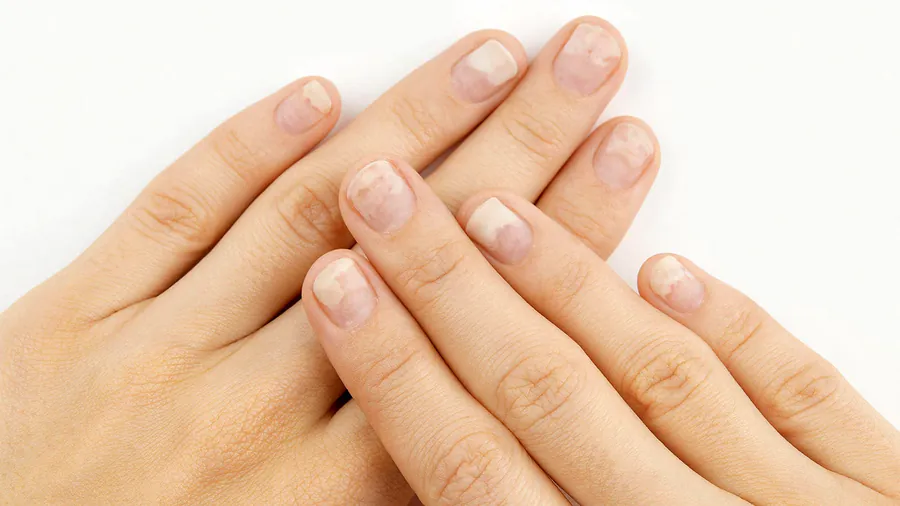
GLP-1 users show higher rates of nail problems, but causation is unclear. A large multinational study found that GLP-1 receptor agonist users were up to 4.5 times more likely to experience nail separation (onycholysis) and discoloration than non-users. However, when only new-onset nail changes were analyzed, the association disappeared — leaving experts cautious about drawing firm conclusions.
A large prospective multinational study presented at the European Academy of Dermatology and Venereology (EADV) meeting found that GLP-1 receptor agonist users had significantly higher rates of nail disorders — particularly onycholysis (nail separation) and dyschromia (nail discoloration) — compared to obese or diabetic patients not on the drugs. Researchers from France, the US, Brazil, and Mexico compared 575 GLP-1 users against 1,329 controls.
The catch? When researchers zeroed in on nail changes that began after starting GLP-1 therapy, the association essentially vanished. About half of GLP-1 users already had nail problems before treatment, and the data were self-reported without clinical nail exams — raising important questions about causality.
By the Numbers:
Why it matters: GLP-1 drugs are among the most widely prescribed medications today. While this study doesn't prove the drugs directly cause nail problems, clinicians are advised to ask patients about nail changes and assess whether they preceded or followed treatment — and not to discontinue an otherwise beneficial medication based on these findings alone.