Curie Brief
Turn on cookies to sign in
Signing in saves your progress to your Curie account. We can only do that with cookies on — turn them on to continue.
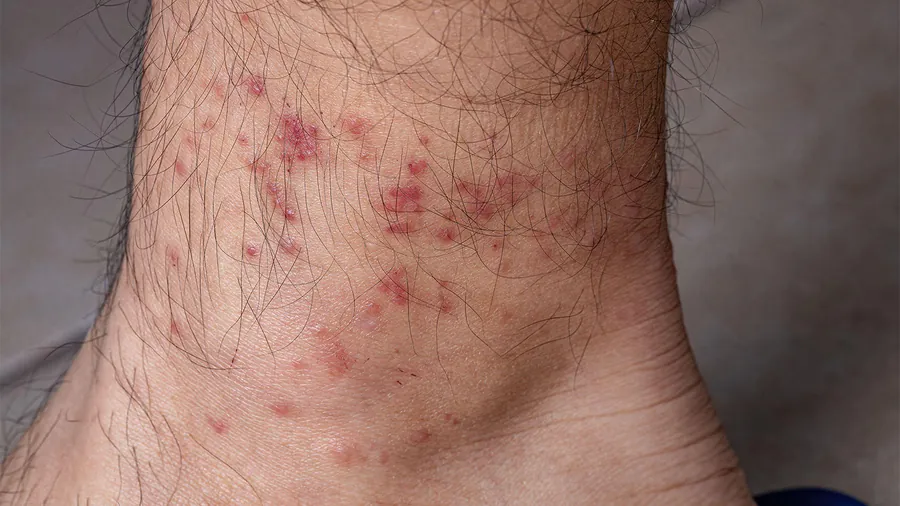
A "tick bomb" happens when someone steps on a lone star tick nest, releasing hundreds or thousands of larvae at once. While larval ticks rarely transmit bacterial diseases, they can trigger alpha-gal syndrome — a red meat allergy that's on the rise. As the lone star tick expands its range due to climate change, more clinicians across the U.S. may start encountering these unusual cases.
A "tick bomb" is a very real phenomenon that occurs when a person steps on — or sits near — a lone star tick nest, causing hundreds or even thousands of larval ticks to swarm and bite all at once. The larvae are nearly invisible individually but unmistakable as a wriggling mass. In the U.S., only lone star tick larvae are known to bite humans in this way.
The good news: larval ticks haven't yet had a blood meal, so they're unlikely to transmit most bacterial diseases. The bad news: they can still trigger alpha-gal syndrome, a red meat allergy linked to lone star tick bites that is growing in prevalence as the tick expands its geographic range. Rare viral transmission (e.g., Bourbon or Heartland virus) via maternal transfer is also possible, though uncommon.
Key Takeaways:
Why it matters: As tick habitats expand, clinicians outside traditional tick-heavy regions will increasingly encounter unfamiliar presentations. Recognizing a tick bomb — and its potential link to alpha-gal syndrome — could prevent misdiagnosis and delayed treatment.