Curie Brief
Turn on cookies to sign in
Signing in saves your progress to your Curie account. We can only do that with cookies on — turn them on to continue.
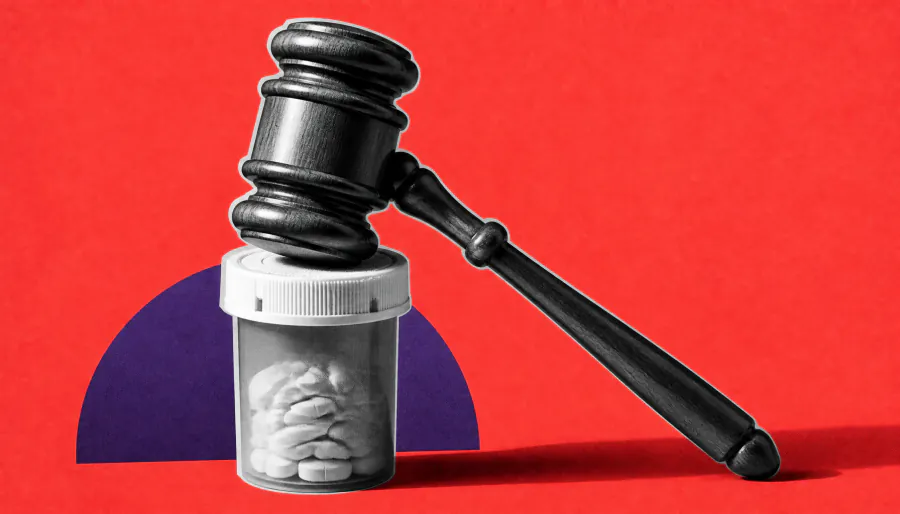
The number of US patents per small-molecule drug more than tripled between 1990 and 2019, jumping from an average of 2.1 to 6.9, according to a new JAMA study. The surge is driven largely by "nonprimary" patents — covering things like drug formulations and delivery methods — rather than new active ingredients. Researchers warn this trend is delaying generic competition and keeping drug prices high.
A new study published in JAMA reveals a striking trend in pharmaceutical patenting: the average number of US patents per small-molecule drug more than tripled from 2.1 in 1990 to 6.9 in 2019. The surge is driven by "nonprimary" patents — those covering formulations, delivery devices, and methods of use — rather than patents on new active ingredients.
Of the 10,940 patents filed on 1,981 FDA-approved small-molecule drugs over the study period, 84% were nonprimary. Nearly half of all patents were filed after FDA approval, with 96% of those being nonprimary. This strategy effectively extends a drug's market exclusivity well beyond what the original innovation would warrant, creating a dense thicket of patents that generic manufacturers must either challenge in court or wait out before entering the market.
By the Numbers:
Why it matters: Without policy reform, this patent proliferation will continue to delay affordable generic drugs from reaching patients. Researchers are calling on policymakers to prioritize patent quality over quantity — recalibrating frameworks to ensure timely market competition and improve patient access to lower-cost medicines.