Curie Brief
Turn on cookies to sign in
Signing in saves your progress to your Curie account. We can only do that with cookies on — turn them on to continue.
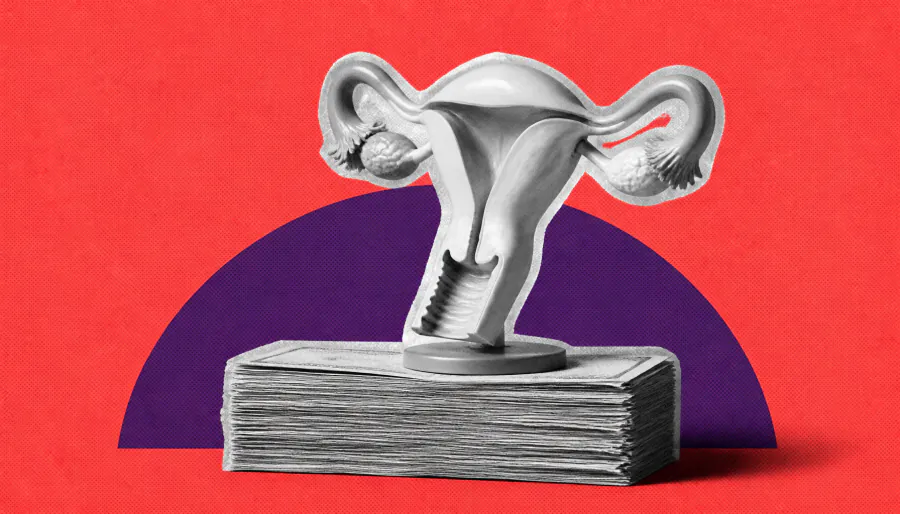
Women have been systematically excluded from clinical research since before 1993, and the consequences are still playing out today — from delayed diagnoses to treatments that weren't designed with women in mind. At the Women in Medicine Summit, the president of the Society for Women's Health Research called for a $20 billion federal investment over 10 years to finally close the gap. Menopause care, she says, is proof that change is possible.
Women were largely shut out of biomedical research until 1993 — and the ripple effects are still being felt. Speaking at the Women in Medicine Summit in Chicago, Kathryn Godburn Schubert, president and CEO of the Society for Women's Health Research, laid out the stark reality: women spend 25% of their lives in poorer health than men, heart disease remains the leading killer of both sexes yet most treatments are based on male data, and two-thirds of Alzheimer's patients are women — with no clear explanation why.
The path forward, Schubert argues, requires sustained federal investment. A coalition of over 60 organizations, including ACOG, is urging Congress to commit $20 billion over 10 years — the most comprehensive women's health policy framework ever proposed. It covers research funding, regulatory modernization, FDA and CMS coordination, and workforce support. Menopause care is held up as a model: from new research funding and a dedicated NIH tracking code, to the FDA removing the black box warning on hormone therapy in late 2025, it shows what's possible when advocacy, policy, and research align.
By the Numbers:
Why it matters: Closing the women's health gap isn't just a women's issue — better understanding of female biology advances medicine for everyone, moving us closer to truly personalized care.