Curie Brief
Turn on cookies to sign in
Signing in saves your progress to your Curie account. We can only do that with cookies on — turn them on to continue.
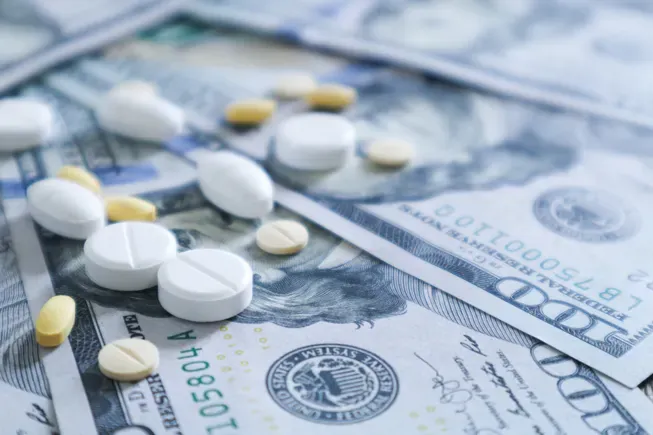
The Trump administration has approved 10 drugmakers to shift 21 drugs from upfront 340B discounts to back-end rebates starting January 1. Major players like AbbVie, Merck, and Pfizer are on the list — an expansion from last year's blocked pilot. Hospitals, which rely heavily on 340B savings, are pushing back hard against the structural change.
The Trump administration's second attempt at reshaping the 340B drug discount program is moving forward. HRSA has approved 10 pharmaceutical companies — including AbbVie, Merck, Pfizer, and Bristol Myers Squibb — to shift discounts on 21 drugs from upfront savings to after-the-fact rebates, effective January 1. This is an expansion from last year's pilot, which was blocked by a federal judge following lawsuits from hospital groups.
Under the new model, 340B providers will buy drugs at full wholesale price and then request rebates after dispensing them to eligible patients — a significant departure from the current system where discounts are applied at the point of purchase. Providers must submit detailed eligibility data through an IT platform called Beacon, and drugmakers are required to pay approved rebates within 10 days.
By the Numbers:
Why it matters: The 340B program is a financial lifeline for safety-net hospitals and clinics serving low-income patients. Shifting to a rebate model could create cash flow challenges and administrative burdens for providers — while drugmakers argue it's a necessary step to curb fraud and double-dipping on discounts.