Curie Brief
Turn on cookies to sign in
Signing in saves your progress to your Curie account. We can only do that with cookies on — turn them on to continue.
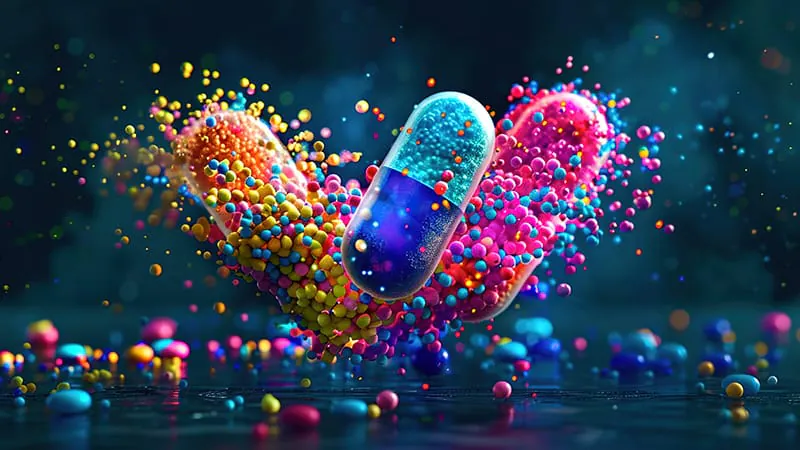
Not all psychedelics are created equal when it comes to safety. A new cross-sectional study found that ibogaine and 5-MeO-DMT users reported far higher rates of adverse effects — including heart palpitations and suicidal thoughts — compared to psilocybin, LSD, or MDMA users. Meanwhile, psilocybin remains the most widely used psychedelic among US adults.
Not all psychedelics are created equal when it comes to safety. A new cross-sectional study published in JAMA Network Open analyzed data from the 2025 National Survey Investigating Hallucinogenic Trends, surveying nearly 2,000 US adults about their psychedelic use and associated health effects. The findings reveal a stark divide in the risk profiles of commonly used psychoactive substances.
Ibogaine and 5-MeO-DMT stood out as the most hazardous, with nearly all recent users (94.8% and 92.8%, respectively) reporting adverse effects. In contrast, psilocybin — the most widely used psychedelic — had the lowest rates of self-reported physical and mental health worsening, and the highest rates of mental health improvement.
By the Numbers:
Why it matters: As psychedelics gain traction in both therapeutic and recreational settings, these findings highlight the need for substance-specific harm reduction strategies and public health messaging — particularly for lesser-known but high-risk compounds like ibogaine and 5-MeO-DMT.