Curie Brief
Turn on cookies to sign in
Signing in saves your progress to your Curie account. We can only do that with cookies on — turn them on to continue.
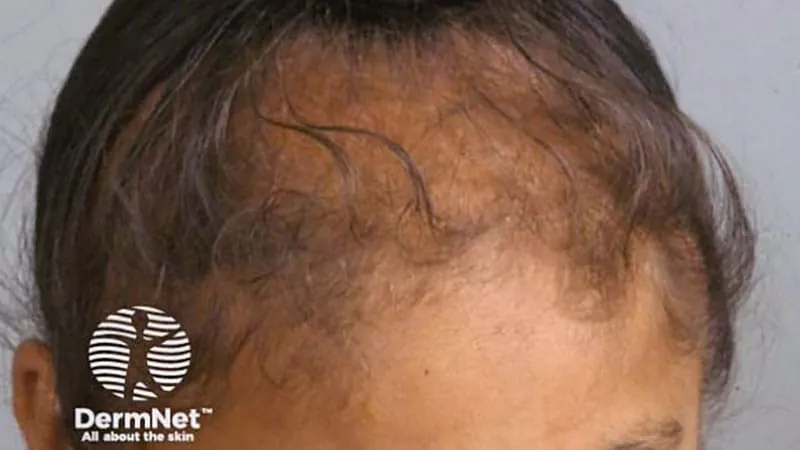
Wigs worn during Irish dancing caused traction alopecia in girls as young as 7, according to a new case series in Pediatric Dermatology. The heavy, tightly secured wigs concentrated mechanical stress on the scalp, leading to patchy hair loss. The good news? Avoiding wig use led to partial or full hair regrowth within six months.
A new case series published in Pediatric Dermatology has identified an unexpected culprit behind hair loss in young girls: the elaborate wigs worn during Irish dancing competitions. Three girls aged 7–8 developed patchy alopecia on the top of their scalps after repeatedly wearing heavy, traditionally styled wigs secured with clips, hairpins, elastic bands, and styling products. The combination of wig weight, tight attachment, and the vigorous, repetitive movement of dancing created significant mechanical stress on hair follicles — a classic recipe for traction alopecia.
The encouraging takeaway is that the condition was reversible. One patient achieved full hair regrowth and the other two showed partial regrowth within six months of reducing or stopping wig use. Researchers emphasize that early recognition is key, as prolonged follicular tension can eventually lead to permanent scarring.
Key Takeaways:
Why it matters: Clinicians may not immediately connect a child's hair loss to a cultural or performance activity. This case series is a reminder to ask about hairstyling habits — including wig use — especially in young patients presenting with vertex alopecia.