Curie Brief
Turn on cookies to sign in
Signing in saves your progress to your Curie account. We can only do that with cookies on — turn them on to continue.
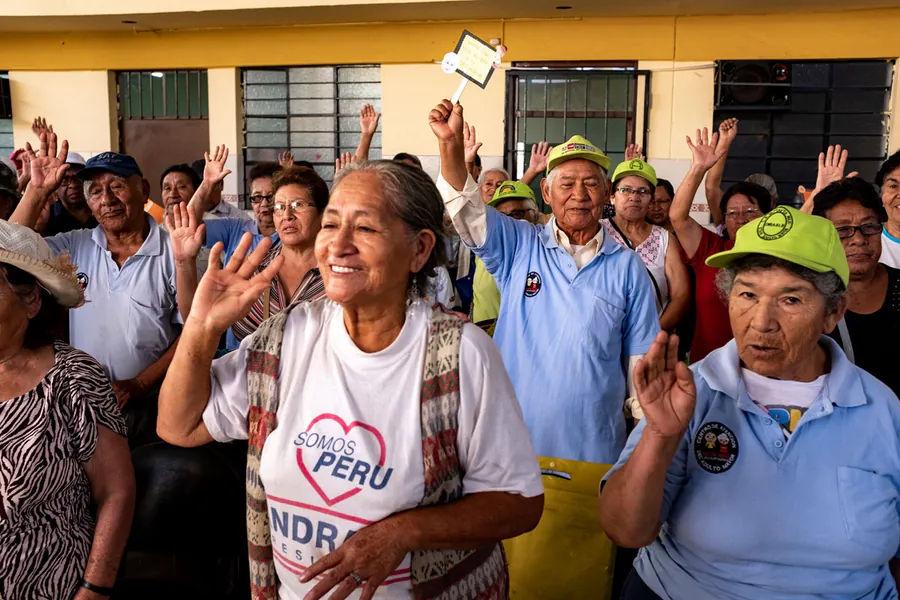
The world is living longer — but not necessarily healthier. A new WHO-led midterm report on the UN Decade of Healthy Ageing (2021–2030) finds more countries than ever are passing anti-ageism laws and building long-term care systems, but chronic underfunding and data gaps are slowing progress. With the global population aged 60+ set to double by 2050, the report urges faster, sustained investment before time runs out.
The world's older population is growing fast — and the systems meant to support them aren't keeping pace. A new WHO-led midterm report on the UN Decade of Healthy Ageing (2021–2030), submitted to the 81st UN General Assembly, finds meaningful gains in policy and legislation, but warns that without accelerated investment, longer lives won't translate into healthier or more dignified ones.
On the positive side, more countries than ever are legislating against age-based discrimination (up from 44.5% in 2018 to 57.7% today), and over half now have national long-term care policies and age-friendly environment programs. But the gaps are stark: over a third of countries have little to no dedicated funding for long-term care, and only 22.7% can track older people's health over time — the largest gap across all core indicators.
By the Numbers:
Why it matters: Healthy ageing isn't just a humanitarian issue — it's an economic one. The World Bank notes that early investment in integrated care yields returns that far outweigh upfront costs. With the 2030 deadline approaching, the report is a clear call to action: scale what works, fund it properly, and ensure older populations everywhere can benefit from longer lives.