Curie Brief
Turn on cookies to sign in
Signing in saves your progress to your Curie account. We can only do that with cookies on — turn them on to continue.
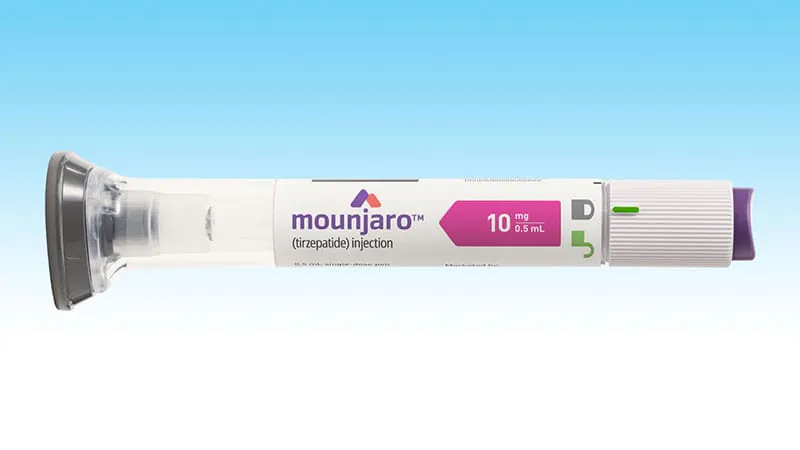
New analyses from the SURPASS-CVOT trial reveal that tirzepatide may offer benefits well beyond cardiovascular outcomes in people with type 2 diabetes. Compared to dulaglutide, tirzepatide was linked to significantly fewer infection-related deaths and meaningful improvements in patients' self-reported daily functioning and quality of life. Experts call the findings "hypothesis-generating" but say they signal a need to broaden how we evaluate these drugs.
New analyses from the SURPASS-CVOT trial — presented at the EASD 2026 Annual Meeting in Milan — suggest tirzepatide's advantages over dulaglutide in people with type 2 diabetes (T2D) and established cardiovascular disease extend well beyond traditional heart outcomes. While the trial's primary finding showed tirzepatide was noninferior (but not superior) to dulaglutide for major adverse cardiovascular events (MACE), the newer data point to meaningful differences in all-cause mortality, infection-related deaths, and patient-reported quality of life.
The most striking signal came from infection-related mortality: deaths from infections occurred in 1.2% of tirzepatide patients vs. 2.1% on dulaglutide — a difference that held even after excluding COVID-related deaths. Researchers speculate this could reflect tirzepatide's greater weight loss leading to improved immune function, though the trial wasn't designed to confirm a mechanism. Patients on tirzepatide also reported better daily functioning and self-rated health, with the two treatment groups moving in opposite directions over time on physical activity measures.
By the Numbers
Why it matters: These findings challenge the field's "cardiovascular-centric" view of incretin therapies and suggest clinicians may need to weigh a broader set of outcomes — from infection risk to patient quality of life — when choosing between diabetes medications. That said, experts stress the mortality signals are exploratory and need confirmation.