Curie Brief
Turn on cookies to sign in
Signing in saves your progress to your Curie account. We can only do that with cookies on — turn them on to continue.
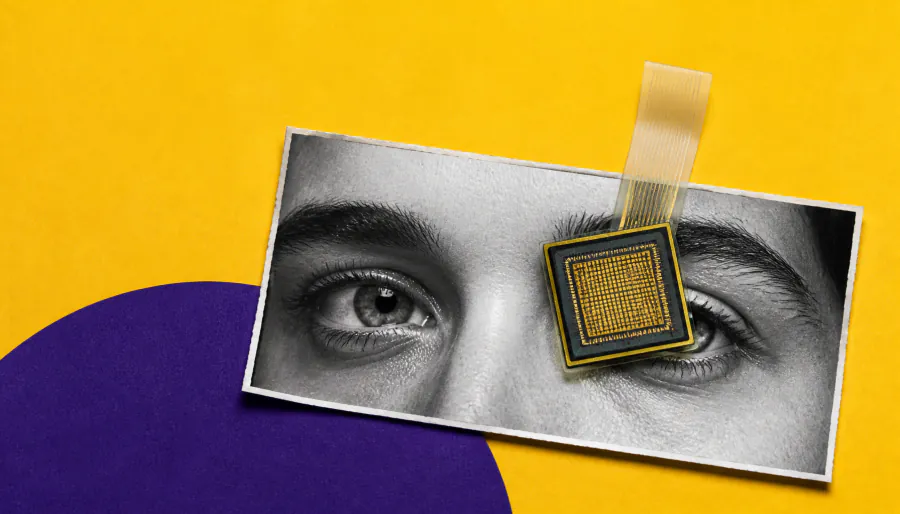
A subretinal microchip is giving hope to patients losing their central vision. More than half of geographic atrophy patients who received the Prima implant could read books, use digital devices, and even recognize faces one year after implantation. Sustained vision rehabilitation training was key to unlocking these real-world gains.
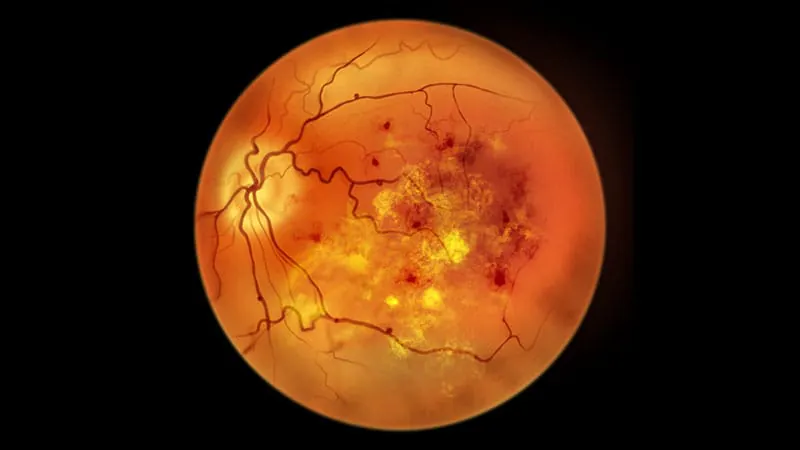
For people with geographic atrophy (GA) — an advanced form of dry age-related macular degeneration — losing the ability to read or recognize a loved one's face can be devastating. A new study presented at Academy 2026 offers a promising glimpse at what a subretinal photovoltaic implant called Prima (Science Corporation) can do beyond the eye chart.
Researchers followed 30 GA patients who received the Prima implant and completed vision rehabilitation. At 12 months, 53% had become "advanced task performers" — meaning they independently took on tasks like reading newspapers, navigating spaces, using digital devices, doing puzzles, and recognizing faces. One patient went from seeing "black graffiti" to reading full sentences from a book.
Crucially, more training hours correlated directly with better outcomes — and participants were still making progress at the 12-month mark with no plateau in sight. The device is not yet FDA-approved but recently launched across Europe.
By the Numbers:
Why it matters: Standard visual acuity tests don't capture what patients can actually do in daily life. This study shows that with the right implant and sustained rehab, GA patients can reclaim meaningful, real-world independence — a major step forward for a condition with very limited treatment options.