Curie Brief
Turn on cookies to sign in
Signing in saves your progress to your Curie account. We can only do that with cookies on — turn them on to continue.
The USPSTF has been blocked from publishing a single recommendation since July 2025, a former chair reveals. HHS Secretary RFK Jr. canceled meetings, fired vice chairs, and suppressed finalized guidance on cervical cancer screening and cardiovascular prevention. The fallout? Primary care providers may be working off outdated guidelines, and Americans could be losing insurance coverage for proven preventive services.
The U.S. Preventive Services Task Force (USPSTF) — the independent body that shapes preventive care guidelines for millions of Americans — has been effectively silenced since July 2025, according to a commentary in the Annals of Internal Medicine by former chair Michael Silverstein, MD, MPH. Silverstein reveals that AHRQ's director blocked a finalized cervical cancer screening recommendation, and cancelled meetings prevented a vote on cardiovascular disease prevention guidelines — all despite the task force completing its full public comment process.
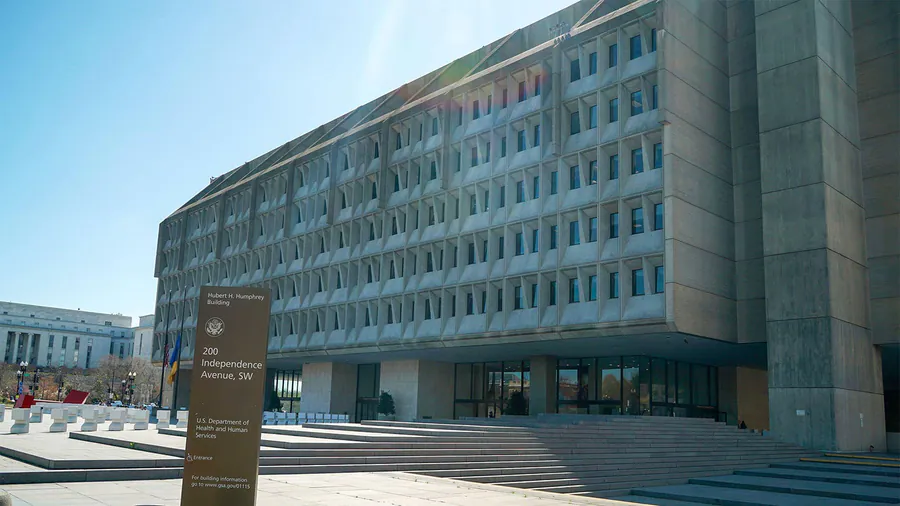
The political pressure escalated steadily. HHS Secretary Robert F. Kennedy Jr. cancelled regular task force meetings, fired two vice chairs, and left half of the 16 seats vacant for months. Kennedy also publicly called the task force "lackadaisical and negligent," signaling a broader effort to reshape the body. In September 2026, eight new members — including cardiologists, a gastroenterologist, a radiologist, and an AI expert — were appointed, marking a notable departure from the group's traditional primary care and preventive medicine composition.
Key Takeaways:
Why it matters: USPSTF recommendations directly influence what preventive services insurers must cover at no cost to patients. A prolonged freeze on new guidance means Americans may be denied coverage for effective screenings and interventions — with real consequences for public health.