Curie Brief
Turn on cookies to sign in
Signing in saves your progress to your Curie account. We can only do that with cookies on — turn them on to continue.
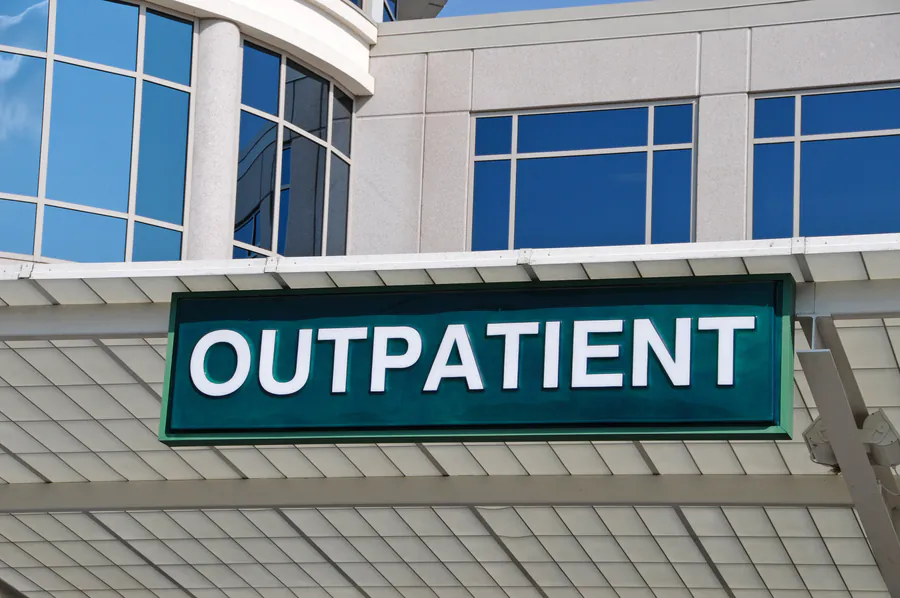
Where you get your medication matters — a lot. A new EBRI analysis finds that if drugs administered in hospital outpatient departments were reimbursed at the same rates as physician offices, the healthcare system could save $12.7 billion annually. The price gap is driven by hospitals charging a median 64% more per unit than physician offices, and the fact that most of these drugs are given in hospital settings.
Where you get your medication administered can dramatically affect what the healthcare system pays. A new analysis from the Employee Benefit Research Institute (EBRI) found that drugs given in hospital outpatient departments (HOPDs) cost significantly more than the same drugs given in physician offices — and that gap is adding up fast.
Reviewing commercial insurance claims for 106 physician-administered outpatient drugs (PAODs) from 2023–2024, EBRI found that HOPDs charged a median 64% more per unit than physician offices (102% more on average). Since 59% of these drug administrations happen in HOPDs vs. just 31% in physician offices, the cost difference compounds quickly. The immediate financial winners from any reimbursement reform would be employers and health plans — not patients, who often hit their out-of-pocket limits early. Over time, however, workers could benefit through slower premium growth.
By the Numbers:
Why it matters: This analysis adds fuel to the growing push for "site-neutral" payment policies — reforms that would pay the same rate regardless of care setting. While hospitals argue their broader services justify higher rates, payers and lawmakers are increasingly skeptical of the status quo.