Curie Brief
Turn on cookies to sign in
Signing in saves your progress to your Curie account. We can only do that with cookies on — turn them on to continue.
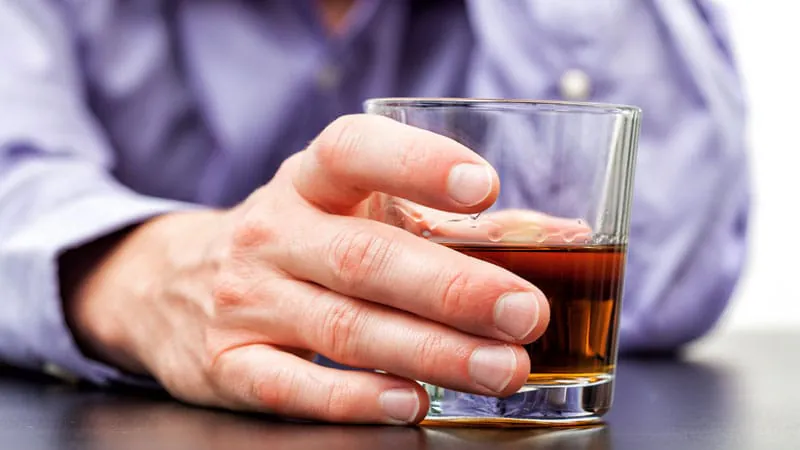
A large South Korean study found that alcohol consumption is tied to a dose-dependent increase in osteoarthritis risk — the more you drink, the higher your risk. The association held even in people with normal weight and healthy liver function, and was more pronounced in women. Researchers say alcohol may directly affect joint tissues through pathways beyond obesity or liver disease.
A major retrospective cohort study out of South Korea has found that alcohol consumption is associated with a progressively higher risk of developing osteoarthritis (OA) — and the relationship is dose-dependent. Analyzing data from over 1.2 million adults aged 40 and older, researchers tracked participants for nearly a decade and found that even light drinkers faced a modestly elevated risk, while heavy drinkers saw the steepest increase.
Crucially, the link held up even among people with normal body weight and healthy liver function — suggesting alcohol may directly harm joint tissues through mechanisms unrelated to obesity or liver disease. Women appeared to be more vulnerable, with light drinking alone associated with a significantly increased OA risk in female participants.
By the Numbers:
Why it matters: Osteoarthritis is one of the most common and debilitating chronic conditions worldwide. This study positions alcohol as a potentially modifiable risk factor — meaning cutting back on drinking could be a practical, actionable step for patients looking to protect their joint health, especially women and those already at risk.