Curie Brief
Turn on cookies to sign in
Signing in saves your progress to your Curie account. We can only do that with cookies on — turn them on to continue.
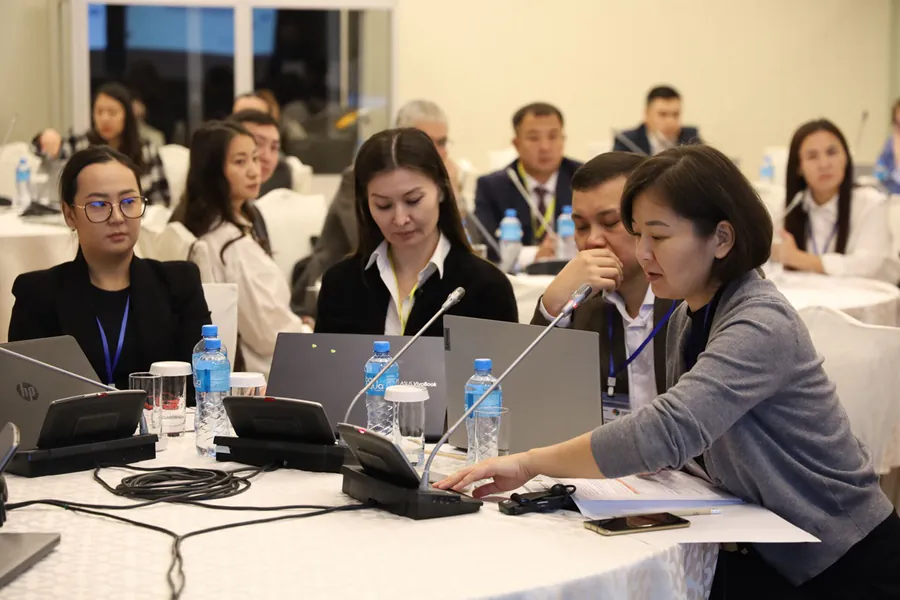
Over 200 Kazakhstani researchers and healthcare practitioners completed a month-long WHO-supported Summer School on Clinical Research this summer. The program connected national professionals with global experts from institutions like Oxford, Charité Berlin, and the National University of Singapore. It's a meaningful step toward building a sustainable, internationally recognized clinical research ecosystem in Central Asia.
Kazakhstan just made a significant investment in its clinical research future. From June 16 to July 16, 2026, more than 200 researchers and healthcare practitioners participated in the country's Summer School on Clinical Research — a month-long program delivered by Kazakhstan's National Scientific Centre for Health Development with support from WHO and the Global Clinical Trials Forum (GCTF). The initiative was designed to strengthen skills, build professional networks, and connect national researchers with cutting-edge global practices.
The program drew on international expertise from institutions including the University of Oxford, Charité – Universitätsmedizin Berlin, the European Clinical Research Infrastructure Network (ECRIN), and the National University of Singapore's ADVANCE-ID initiative. Kazakhstan's Vice-Minister of Healthcare described it as a "unique opportunity" for specialists to engage with leading global experts and gain first-hand insights into best practices in clinical research.
By the Numbers:
Why it matters: Strong clinical research capacity is foundational to evidence-based healthcare. By investing in homegrown expertise and international collaboration, Kazakhstan is positioning itself to conduct higher-quality trials — ultimately improving patient care and informing health policy across the region.